

NEWS & BLOG
Analysis of the Performance Advantages and Applications of Anti-Static Dust Filter Bags
Release time:
2026-04-29
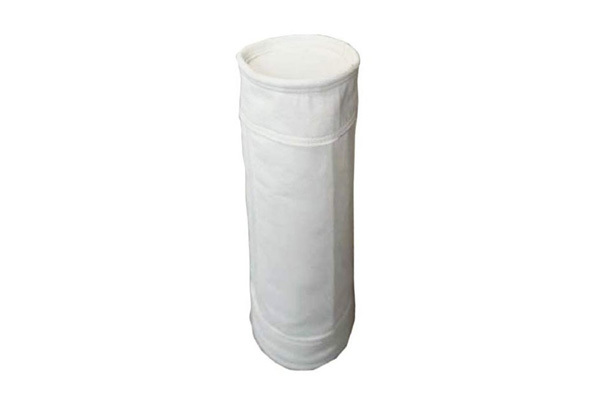
In industrial dust removal systems, dust control is not merely a matter of maintaining a clean production environment; it also directly impacts equipment safety and personnel health. Particularly in operating conditions involving materials prone to generating static electricity—such as pulverized coal, flour, and chemical powders—anti-static dust filter bags serve as a critical component. This article provides a brief analysis of anti-static dust filter bags, covering their structural characteristics, performance advantages, and fields of application.
In industrial dust removal systems, dust control is not merely a matter of maintaining a clean production environment; it also directly impacts equipment safety and personnel health. Particularly in operating conditions involving materials prone to generating static electricity—such as pulverized coal, flour, and chemical powders—anti-static dust filter bags serve as a critical component. This article provides a brief analysis of anti-static dust filter bags, covering their structural characteristics, performance advantages, and fields of application.
I. Structural Characteristics of Anti-Static Dust Filter Bags
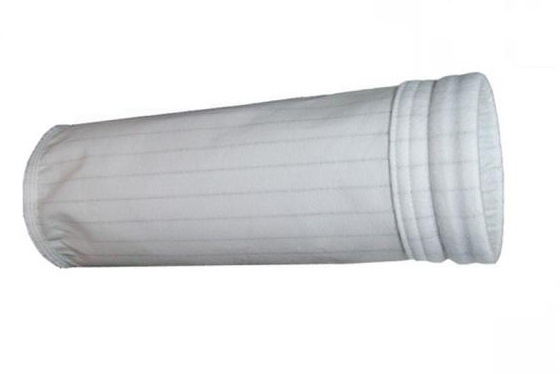
Anti-static dust filter bags typically utilize base materials such as polyester needle felt, polypropylene, or aramid. Conductive fibers (such as carbon fibers or stainless steel fibers) are either blended directly into the fiber matrix or conductive pathways are established through post-processing techniques. This structural design enables the effective dissipation of static charges generated within the filter bag during the filtration process, thereby preventing static electricity accumulation.
Depending on the specific manufacturing process, anti-static filter bags are primarily categorized into two types: First, the *fiber-blended type*, in which conductive fibers are uniformly distributed throughout the material during production; and second, the *surface-conductive type*, which achieves conductivity through the application of coatings or laminates. Each type is suited to meet the specific requirements of different operating conditions.

II. Advantages of Anti-Static Performance
Effectively Prevents Static Electricity Accumulation
Static electricity is easily generated through friction between high-velocity airflow and dust particles; if these charges are not dissipated promptly, they can trigger sparks or even explosions. Anti-static filter bags facilitate the rapid discharge of electrical charges, thereby significantly mitigating these risks.
Enhances System Operational Safety
In environments involving flammable or explosive dust—such as those found in the coal, cement, and aluminum powder industries—anti-static performance serves as a vital safeguard for ensuring safe production.
Maintains High Filtration Efficiency
While providing anti-static functionality, these filter bags simultaneously retain their highly efficient dust-capturing capabilities, achieving filtration efficiencies of over 99%.
High Durability and Long Service Life
High-quality anti-static filter bags exhibit excellent resistance to abrasion and corrosion, ensuring stable and reliable operation even in high-temperature or high-humidity environments. III. Key Application Areas
Anti-static dust filter bags are widely utilized across numerous industrial sectors, including:
Cement Industry: Used for dust control at kiln outlets, grinding mills, and similar facilities.
Coal Chemical Industry: Applied in the transportation and processing stages of pulverized coal.
Grain Processing Industry: Employed for dust control during the production of flour and starch.
Metal Smelting Industry: Used for handling flammable dusts, such as aluminum powder and magnesium powder.
Pharmaceutical and Fine Chemical Industries: Deployed in environments requiring high levels of cleanliness.
IV. Selection and Usage Recommendations
When selecting anti-static filter bags, priority should be given to the following factors: operating temperature, dust properties (particle size, moisture content, and conductivity), filtration velocity, and equipment structure. Furthermore, it is advisable to select suppliers with established manufacturing processes and robust quality control capabilities to ensure reliable product performance.
During operation, the condition of the filter bags should be inspected regularly to prevent compromised dust removal efficiency caused by damage or clogging. Additionally, establishing an appropriate dust-cleaning cycle helps to extend the service life of the filter bags.
As environmental protection standards continue to rise, industrial dust removal equipment is evolving toward greater efficiency and safety. As a critical filtration component, the anti-static dust filter bag plays a vital role in ensuring the stable operation of these systems. Proper selection and scientifically sound usage will yield enhanced safety and economic benefits for enterprises.
latest News

CONTACT
Add:No. 8 Xinyuan Road, Shizhuang Industrial Park, Funing, Jiangsu Province
Tel:+8613862107418 / +8618913761835
WhatsApp:+8613862107418/+8618913761835


