

NEWS & BLOG
How Do High-Temperature Filter Bags Improve Dust Removal Efficiency?
Release time:
2026-05-07
In high-temperature industrial environments—such as those found in the steel, cement, chemical, and power generation sectors—dust removal equipment constantly faces challenges posed by high-temperature flue gases, high dust concentrations, and corrosive gases. Ordinary filter bags are prone to aging, damage, or even failure under high-temperature conditions; consequently, high-temperature-resistant filter bags have gradually emerged as critical components in industrial dust removal systems.
In high-temperature industrial environments—such as those found in the steel, cement, chemical, and power generation sectors—dust removal equipment constantly faces challenges posed by high-temperature flue gases, high dust concentrations, and corrosive gases. Ordinary filter bags are prone to aging, damage, or even failure under high-temperature conditions; consequently, high-temperature-resistant filter bags have gradually emerged as critical components in industrial dust removal systems.
What Are High-Temperature-Resistant Filter Bags?
High-temperature-resistant filter bags are primarily manufactured using heat-resistant fibrous materials, such as PPS, PTFE, fiberglass, and aramid. These filter bags are capable of operating stably in environments ranging from 160°C to 280°C—or even higher—and are widely utilized in applications such as boiler dust removal, metallurgical flue gas treatment, and waste incineration.
Compared to standard filter bags, high-temperature filter bags not only possess superior heat resistance but also exhibit excellent corrosion resistance and dimensional stability, thereby effectively extending the operational lifespan of the equipment.
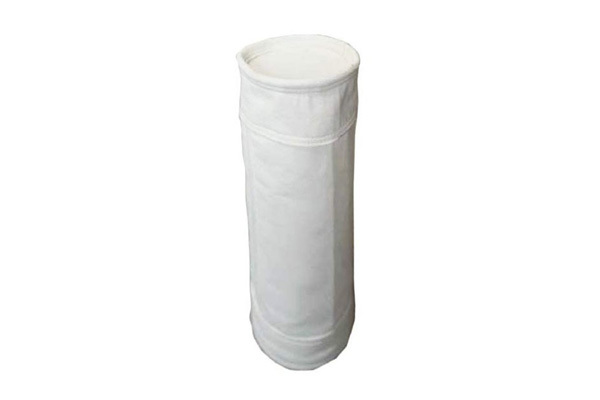
Core Advantages in High-Temperature Environments
1. Stable High-Temperature Performance
High-temperature flue gases directly impact the service life of filter bags. High-quality high-temperature-resistant filter bags maintain the structural integrity of their fibers under sustained high-temperature conditions, preventing issues such as shrinkage, embrittlement, or breakage.
2. Enhanced Filtration Efficiency
High-performance filter media feature a more uniform surface structure, enabling them to effectively capture fine dust particles, boost overall dust removal efficiency, and assist enterprises in meeting environmental emission standards.
3. Extended Service Life
Thanks to the use of abrasion-resistant and corrosion-resistant materials, high-temperature filter bags maintain optimal performance even under harsh operating conditions, thereby reducing maintenance costs associated with frequent replacements.
4. Adaptability to Complex Operating Conditions
Some industrial flue gases contain acidic, alkaline, or moisture-laden components; high-temperature filter bags are capable of effectively withstanding such complex environments, thereby lowering the rate of equipment failure.
How to Select the Right High-Temperature Filter Bags?
When procuring high-temperature-resistant filter bags, enterprises should prioritize the following key factors:
Operating temperature range
Flue gas composition
Dust concentration
Filtration velocity
Filter media material
Sewing and fabrication process
For instance, in the coal-fired boiler industry, PPS filter bags are frequently utilized; conversely, in the waste incineration sector, PTFE filter bags are better suited for highly corrosive environments. Furthermore, the dimensional precision of filter bags—as well as their heat treatment processes—directly impacts installation effectiveness and operational stability; therefore, selecting an experienced supplier is of paramount importance.
Future Market Trends
As environmental standards continue to rise, industrial dust removal equipment is evolving toward greater efficiency, energy conservation, and lower emissions. High-temperature-resistant filter bags are also undergoing continuous upgrades, including the optimization of membrane lamination processes, the application of ultrafine fibers, and the development of energy-efficient filter media.
latest News


CONTACT
Add:No. 8 Xinyuan Road, Shizhuang Industrial Park, Funing, Jiangsu Province
Tel:+8613862107418 / +8618913761835
WhatsApp:+8613862107418/+8618913761835


