

NEWS & BLOG
Key Parameters to Consider When Selecting Anti-Static Dust Filter Bags
Release time:
2026-04-08
In industrial dust removal systems, anti-static dust filter bags are widely utilized in chemical, metallurgical, and cement industries, as well as in environments where dust presents a risk of flammability or explosion. Proper selection of these bags is crucial; it not only determines dust removal efficiency but also directly impacts the operational safety of the equipment. Therefore, during the actual selection process, particular attention should be paid to the following key parameters:
In industrial dust removal systems, anti-static dust filter bags are widely utilized in chemical, metallurgical, and cement industries, as well as in environments where dust presents a risk of flammability or explosion. Proper selection of these bags is crucial; it not only determines dust removal efficiency but also directly impacts the operational safety of the equipment. Therefore, during the actual selection process, particular attention should be paid to the following key parameters:
I. Filter Media Material and Anti-Static Properties
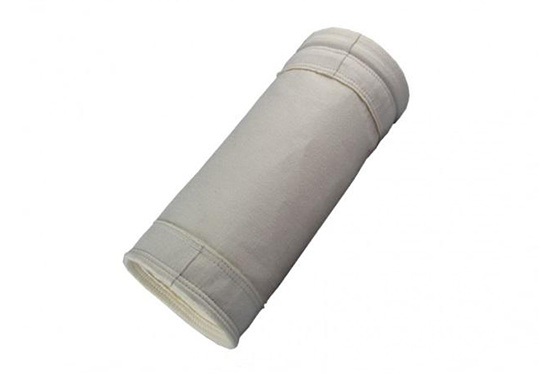
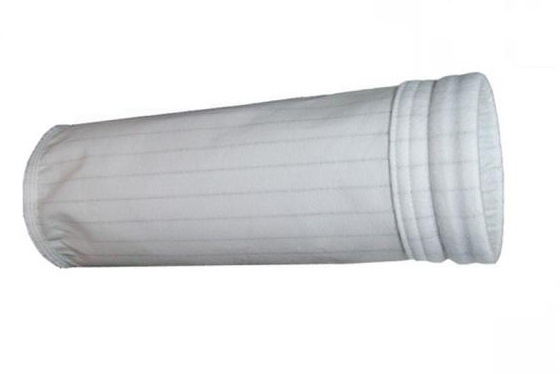
The material of the filter bag is the core consideration in the selection process. Common materials include polyester, polypropylene, and aramid, with different materials being suitable for different operating conditions. Furthermore, anti-static properties are typically achieved by incorporating conductive fibers or applying surface conductive treatments. It is essential to focus on specific metrics—such as surface resistivity or volume resistivity—to ensure that static electricity can be effectively dissipated, thereby mitigating the risk of dust explosions.
II. Filtration Precision and Air Permeability
Filtration precision determines the effectiveness of dust capture, while air permeability influences system resistance and operational energy consumption. Generally, the appropriate filtration grade should be selected based on the dust particle size, while simultaneously considering air permeability rates (e.g., m³/m²·min) to ensure high dust removal efficiency while minimizing energy consumption.
III. Operating Temperature Range
The heat resistance capabilities of different filter media vary significantly. For instance, standard polyester filter bags are suitable for low-to-medium temperature environments, whereas aramid filter bags are designed for high-temperature operating conditions. During selection, it is critical to clearly define the ambient operating temperature as well as any potential instantaneous temperature fluctuations to prevent filter bag damage caused by overheating.
IV. Corrosion Resistance and Chemical Stability
In industries such as chemical manufacturing and smelting, flue gases may contain acidic, alkaline, or corrosive components. Consequently, it is necessary to select filter media that possess excellent corrosion resistance to extend the service life of the filter bags and maintain stable performance over time.
V. Mechanical Strength and Dimensional Specifications
During operation, anti-static dust filter bags are subjected to the impact of airflow and the mechanical stresses of dust-cleaning processes; therefore, mechanical properties—such as tensile strength and abrasion resistance—are equally important. Additionally, the diameter, length, and interface configuration of the filter bags must be precisely matched to the specific dust removal equipment to ensure proper installation, effective sealing, and operational stability.
VI. Compatibility with Dust-Cleaning Methods
Different dust removal systems employ various dust-cleaning methods, such as pulse-jet cleaning, reverse-air cleaning, and others. Filter bags must possess excellent release properties and flexibility to accommodate the dust-cleaning process, thereby preventing clogging or damage.
The selection of anti-static dust filter bags is a systematic undertaking that requires a comprehensive assessment of operating conditions, dust characteristics, and equipment requirements. A scientific and rational matching of parameters not only enhances dust removal efficiency but also effectively safeguards production safety and ensures the stable operation of the equipment.
latest News


CONTACT
Add:No. 8 Xinyuan Road, Shizhuang Industrial Park, Funing, Jiangsu Province
Tel:+8613862107418 / +8618913761835
WhatsApp:+8613862107418/+8618913761835


