

NEWS & BLOG
Key Points for Daily Maintenance and Replacement of Polyester Needle-Felt Filter Bags
Release time:
2026-02-18
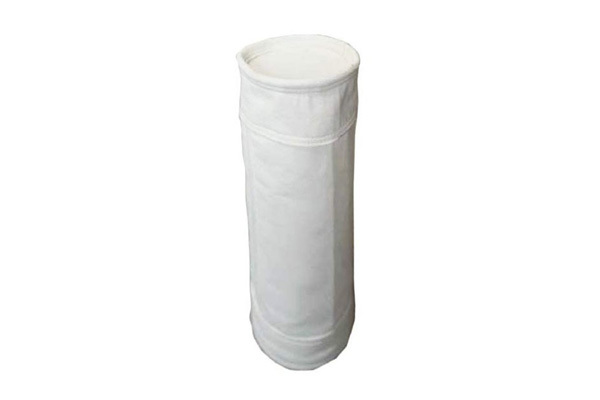
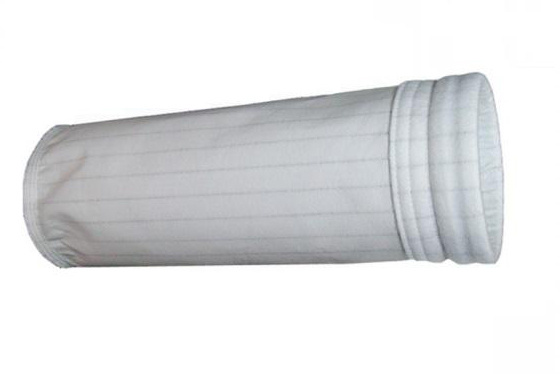
Polyester needle-felt filter bags, as core filtration elements in baghouse dust collectors, are widely used in ambient temperature dust collection systems in industries such as cement, metallurgy, power, and chemicals. Their operating status directly affects dust collection efficiency, system resistance, and equipment stability. Through standardized daily maintenance and reasonable replacement management, not only can the service life of the filter bags be extended, but the operating costs of the dust collection system can also be effectively reduced.
Polyester needle-felt filter bags, as core filtration elements in baghouse dust collectors, are widely used in ambient temperature dust collection systems in industries such as cement, metallurgy, power, and chemicals. Their operating status directly affects dust collection efficiency, system resistance, and equipment stability. Through standardized daily maintenance and reasonable replacement management, not only can the service life of the filter bags be extended, but the operating costs of the dust collection system can also be effectively reduced.
During daily operation, it is crucial to pay close attention to changes in the operating parameters of the dust collection system. Filtration resistance is an important indicator for judging the condition of the filter bags. If the differential pressure continuously increases and cannot be restored after cleaning, it often indicates severe dust accumulation or blockage on the filter bag surface. In this case, it is necessary to check whether the cleaning system is operating normally, including pulse valves, blowpipes, and air source pressure, to avoid excessive load on the filter bags due to insufficient cleaning.

The impact of environmental conditions on polyester needle-felt filter bags is also significant. Polyester materials are suitable for ambient temperature and dry conditions. When the flue gas temperature is too low or the moisture content is high, condensation is prone to occur, causing dust to adhere to the filter bag surface and leading to bag clogging. Therefore, flue gas temperature should be reasonably controlled to ensure operation above the dew point temperature, and the insulation system should be inspected regularly to reduce the adverse effects of condensate on the filter bags.
Visual inspection of the filter bags is a crucial part of routine maintenance. During operation, the system should be stopped periodically to check for damage, wear, or loose connections in the filter bags, paying particular attention to the contact area between the bag opening and the filter cage. If significant thinning, cracks, or dust leakage are found on the filter bag surface, they should be addressed promptly to prevent the localized damage from spreading and affecting the overall dust removal efficiency.
When replacing polyester needle-feed filter bags, the principle of "gradual replacement and uniform batch" should be followed. Mixing new and old filter bags may lead to uneven system resistance distribution, affecting dust removal efficiency. During replacement, avoid pulling the filter bags forcefully to prevent deformation of the bag opening, and ensure reliable sealing to prevent air leakage.
Proper operation management and maintenance records help extend the service life of the filter bags. Recording the filter bag commissioning time, changes in operating conditions, and maintenance details provides a basis for subsequent selection and replacement.
Scientific daily maintenance and standardized replacement procedures are important prerequisites for ensuring the long-term stable operation of polyester needle felt filter bags, and help the dust removal system to play its environmental protection role efficiently and safely.
latest News

CONTACT
Add:No. 8 Xinyuan Road, Shizhuang Industrial Park, Funing, Jiangsu Province
Tel:+8613862107418 / +8618913761835
WhatsApp:+8613862107418/+8618913761835


