

NEWS & BLOG
Factors Affecting the Lifespan of Antistatic Dust Filter Bags and Methods to Extend Their Service Life
Release time:
2025-11-19
Antistatic dust filter bags, as a key filtration material in industrial dust collection systems, not only efficiently capture dust but also provide electrostatic dissipation in flammable and explosive environments, ensuring system safety.
Antistatic dust filter bags, as a key filtration material in industrial dust collection systems, not only efficiently capture dust but also provide electrostatic dissipation in flammable and explosive environments, ensuring system safety. Their lifespan directly affects the operating costs and overall environmental benefits of dust collection equipment. However, in complex industrial environments, the lifespan of antistatic dust filter bags is influenced by various factors, requiring consideration from material selection, operating condition control, and maintenance management.
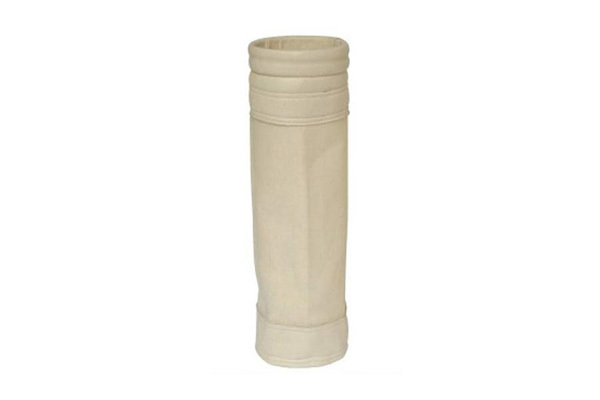
Operating temperature and dust properties are the core factors affecting filter bag lifespan. Antistatic dust filter bags typically use different materials such as polyester, aramid, and PPS, each with varying temperature resistance ranges. When the actual temperature exceeds the material's long-term tolerance limit, the filter bag may harden, crack, or melt, leading to premature failure. Simultaneously, if the dust contains acidic, alkaline, or oxidizing components, it will cause chemical corrosion to the filter bag fibers, accelerating its aging. Furthermore, high-concentration dust and operating conditions with many sharp-edged particles will also increase wear on the filter bag surface.
The cleaning method and frequency of a dust collector significantly impact the lifespan of filter bags. Excessive cleaning force can cause mechanical fatigue, leading to breakage of the needle-punched felt fibers. Insufficient cleaning results in dust accumulation on the filter bag surface, increasing resistance and forcing the system to increase backflushing pressure, further shortening the filter bag's lifespan. Therefore, setting a reasonable cleaning cycle and maintaining a stable airflow distribution are crucial.
The manufacturing process and post-treatment technology of the filter bags also determine their service life. High-quality antistatic dust filter bags should possess a uniform needle-punched structure, stable electrical properties, and good water and oil repellency. The quality of the bag opening sewing, the method of bag bottom reinforcement, and the surface singeing or coating process all directly affect the stability of the filter bag under high-load conditions.
To extend the service life of antistatic dust filter bags, companies can take the following measures:
First, select suitable filter media based on actual operating conditions, such as using PPS or aramid materials in high-temperature environments to improve heat resistance; second, optimize the dust collector's cleaning system to avoid over- or under-cleaning; third, ensure good sealing of the dust collector to reduce secondary dust entry and erosion; fourth, regularly check the operating status of the filter bags and replace damaged filter bags promptly to prevent single filter bag damage from causing overall machine load imbalance.
The lifespan of antistatic dust filter bags is affected by a variety of factors. Through proper selection and meticulous maintenance, their service life can be effectively extended, reducing dust collection costs and improving system operational safety.
latest News


CONTACT
Add:No. 8 Xinyuan Road, Shizhuang Industrial Park, Funing, Jiangsu Province
Tel:+8613862107418 / +8618913761835
WhatsApp:+8613862107418/+8618913761835


