

NEWS & BLOG
Applications and Selection Considerations for 0.5 to 200 Micron Grade Filter Bags
Release time:
2025-10-29
0.5 micron to 200 micron grade filter bags, with their wide accuracy coverage and strong applicability, have become an indispensable key component in liquid and gas purification processes across various industries.
In the industrial filtration field, filter bags, as crucial components for solid-liquid separation and air purification, directly impact production efficiency and product quality due to their filtration precision. 0.5 to 200 micron grade filter bags cover a wide range, from ultra-fine filtration to coarse particle interception, meeting the diverse filtration needs of various industries.
I. Functional Characteristics of Different Micron Grades
0.5 to 200 micron grade filter bags belong to the ultra-fine filtration category and are commonly used in pharmaceuticals, electronics, food and beverage, and pure water systems. They effectively remove extremely fine suspended particles and colloidal substances, ensuring product purity. 5 to 50 micron grade filter bags are more suitable for industries such as inks, coatings, and chemicals, primarily used to filter fine impurities and prevent equipment clogging. Relatively speaking, 100 to 200 micron grade filter bags fall into the coarse filtration range and are commonly used in primary pretreatment stages, such as wastewater treatment, slurry filtration, and circulating water systems. They efficiently remove larger particles, extending the lifespan of subsequent precision filtration equipment.

II. Material and Structure Selection
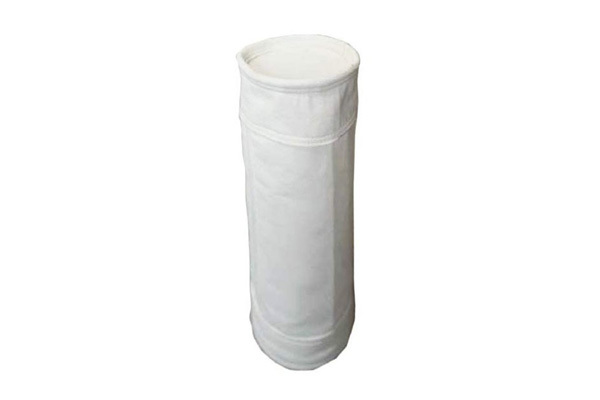
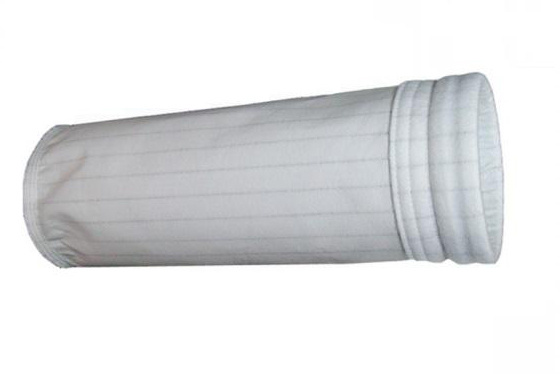
Filter bag materials typically include polypropylene (PP), polyester (PE), and nylon (NMO). PP filter bags offer excellent acid and alkali resistance, making them suitable for the chemical and electroplating industries; PE filter bags provide good abrasion resistance and strength, making them suitable for high-flow, high-pressure environments; and NMO filter bags are widely used in liquid recovery systems due to their reusable cleaning properties. Furthermore, the stitching method (e.g., welding or reinforced stitching) and top structure (e.g., steel ring or plastic ring) also affect sealing performance and ease of installation.
III. Application Precautions
In practical use, the appropriate filter bag specifications should be selected based on the media characteristics, flow rate, temperature, and target filtration accuracy. Regular replacement and cleaning of filter bags can effectively prevent flow rate drops caused by excessive pressure differentials, ensuring long-term stable operation of the filtration system.
0.5 micron to 200 micron grade filter bags, with their wide accuracy coverage and strong applicability, have become an indispensable key component in liquid and gas purification processes across various industries.
latest News


CONTACT
Add:No. 8 Xinyuan Road, Shizhuang Industrial Park, Funing, Jiangsu Province
Tel:+8613862107418 / +8618913761835
WhatsApp:+8613862107418/+8618913761835


