

NEWS & BLOG
The Critical Role of Baghouse Filter Bags in Heavy Industries: Essential Components for Optimized Air Quality and Efficiency
Release time:
2025-05-02
The Critical Role of Baghouse Filter Bags in Heavy Industries In heavy industries, maintaining air quality while ensuring operational efficiency is paramount. **Baghouse filter bags** serve as critical components in industrial air filtration systems, playing a vital role in capturing particulate matter and pollutants. This article delves into the essential functions, types, maintenance practices,
The Critical Role of Baghouse Filter Bags in Heavy Industries
In heavy industries, maintaining air quality while ensuring operational efficiency is paramount. **Baghouse filter bags** serve as critical components in industrial air filtration systems, playing a vital role in capturing particulate matter and pollutants. This article delves into the essential functions, types, maintenance practices, and numerous benefits of baghouse filter bags in heavy industries.
Table of Contents
1. Understanding Baghouse Filter Bags
2. Why Baghouse Filter Bags Are Essential in Heavy Industries
3. Types of Baghouse Filter Bags
3.1. Fabric Filter Bags
3.2. Synthetic Filter Bags
3.3. Nomex and PTFE Filter Bags
4. The Process of Baghouse Filtration
5. Maintenance and Care for Baghouse Filter Bags
5.1. Regular Inspections
5.2. Cleaning Techniques
5.3. Replacement Guidelines
6. Benefits of Using High-Quality Baghouse Filter Bags
7. Common Issues and Troubleshooting
FAQs about Baghouse Filter Bags
8. Conclusion
1. Understanding Baghouse Filter Bags
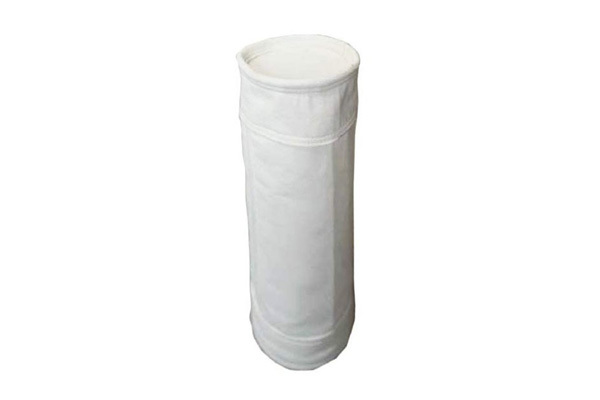
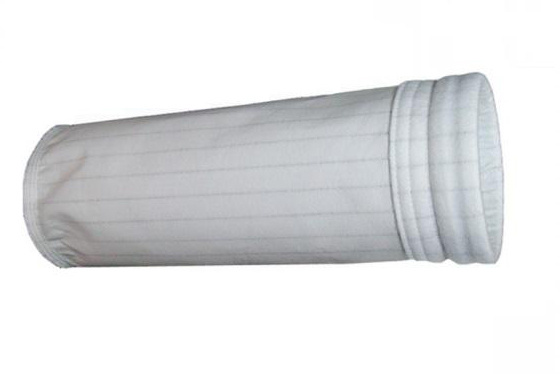
Baghouse filter bags are integral to air pollution control systems used in various heavy industries, including manufacturing, mining, and construction. These bags trap and remove airborne particles from exhaust gases, ensuring cleaner emissions and compliance with environmental regulations. They are typically housed within a baghouse, which is a type of air pollution control device.
The bags are constructed from a range of materials designed to withstand high temperatures, chemical exposure, and abrasive conditions. Their design maximizes surface area while minimizing resistance, enabling effective filtration without sacrificing airflow.
2. Why Baghouse Filter Bags Are Essential in Heavy Industries
In heavy industrial processes, dust and particulate matter are often byproducts of operations such as grinding, cutting, and mixing. Failing to address these emissions can lead to serious health risks, regulatory fines, and environmental damage. Baghouse filter bags are essential because they:
- **Enhance Air Quality:** By capturing harmful particles, these bags help maintain a safe and healthy work environment for employees.
- **Ensure Compliance:** Many industries are subject to stringent air quality regulations. Effective filtration helps businesses adhere to these standards.
- **Protect Equipment:** Dust and particulate accumulation can damage machinery and reduce operational efficiency. Baghouse filter bags help mitigate these risks.
3. Types of Baghouse Filter Bags
Choosing the right type of baghouse filter bag is crucial for optimal filtration and system performance. Below, we explore various types of baghouse filter bags.
3.1. Fabric Filter Bags
Fabric filter bags, often made from woven or felted materials, provide a balance between filtration efficiency and durability. They are suitable for various applications, including those involving dry dust and moderate temperatures.
3.2. Synthetic Filter Bags
Synthetic filter bags, constructed from materials like polyester and polypropylene, offer excellent resistance to moisture and chemicals. They are ideal for industries with acidic or hazardous emissions, ensuring longevity and reliability.
3.3. Nomex and PTFE Filter Bags
Nomex and PTFE filter bags are engineered for high-temperature applications. Nomex is known for its flame-resistant properties, while PTFE is chemically inert and useful in extreme conditions, making both options vital for industries dealing with high heat or corrosive substances.
4. The Process of Baghouse Filtration
The baghouse filtration process involves several key stages:
1. **Air Intake:** Air containing dust and particulate matter is drawn into the baghouse.
2. **Filtration:** As the air passes through the filter bags, particulates are captured on the surface of the fabric.
3. **Cleaning Cycle:** Periodic cleaning methods, such as pulse jet or shaker systems, remove accumulated dust from the bags, restoring their filtration efficiency.
Understanding this process is crucial for optimizing baghouse performance and ensuring long-term effectiveness.
5. Maintenance and Care for Baghouse Filter Bags
Proper maintenance of baghouse filter bags is essential for sustained performance and longevity. Here are some key practices:
5.1. Regular Inspections
Conducting **regular inspections** of filter bags and the overall baghouse system is vital. Look for signs of wear, damage, or clogging, as these issues can significantly affect filtration efficiency.
5.2. Cleaning Techniques
Utilizing appropriate cleaning techniques ensures optimal performance. Pulse jet cleaning and mechanical shaking are popular methods that can dislodge accumulated dust without damaging the filter bags.
5.3. Replacement Guidelines
Understanding when to replace filter bags is crucial. Factors influencing bag longevity include the material type, operating conditions, and the volume of particulate matter. Regular monitoring and data analysis can help determine the optimal replacement schedule.
6. Benefits of Using High-Quality Baghouse Filter Bags
Investing in high-quality baghouse filter bags offers numerous advantages:
- **Increased Filtration Efficiency:** Superior materials enhance dust capture rates, resulting in cleaner emissions.
- **Reduced Downtime:** Quality bags withstand wear and tear, minimizing the frequency of replacements and cleaning.
- **Lower Operational Costs:** Enhanced efficiency leads to reduced energy consumption, contributing to lower operational expenses.
These benefits not only improve compliance with regulations but also promote a more sustainable industrial operation.
7. Common Issues and Troubleshooting
Despite the best maintenance practices, issues may arise with baghouse filter bags. Here are some common problems and their potential solutions:
- **Loss of Filtration Efficiency:** This may occur due to bag damage or clogging. Inspect bags regularly and replace or clean as needed.
- **Dust Bypassing the Bags:** This indicates a potential gap at the seams or baghouse entrances. Ensure proper sealing and fit to prevent leakage.
- **Frequent Bag Breakage:** Investigate operating conditions and consider switching to more durable materials if breakage is common.
FAQs about Baghouse Filter Bags
1. What materials are commonly used for baghouse filter bags?
Common materials include polyester, polypropylene, Nomex, and PTFE, each chosen based on specific industrial requirements.
2. How often should I replace baghouse filter bags?
Replacement frequency depends on usage and environmental conditions, but regular inspections will help determine the optimal time for replacement.
3. Can I clean baghouse filter bags myself?
While some cleaning methods can be performed in-house, it’s crucial to follow manufacturer guidelines to prevent damage.
4. What are the signs of baghouse filter bag failure?
Signs include increased emissions, visible dust around the baghouse, and decreased system performance.
5. Are there regulations governing baghouse filter bag use?
Yes, various environmental regulations mandate specific air quality standards that industrial operations must meet.
Conclusion
In summary, baghouse filter bags play a **critical role** in maintaining air quality and operational efficiency in heavy industries. By understanding their functions, types, and maintenance needs, organizations can optimize their filtration systems and ensure compliance with environmental regulations. Investing in high-quality baghouse filter bags not only enhances operational efficiency but also contributes to a healthier workplace. As industries continue to prioritize sustainability, the importance of effective air filtration will only grow, making baghouse filter bags indispensable for the future of heavy industries.
latest News


CONTACT
Add:No. 8 Xinyuan Road, Shizhuang Industrial Park, Funing, Jiangsu Province
Tel:+8613862107418 / +8618913761835
WhatsApp:+8613862107418/+8618913761835


