

NEWS & BLOG
Understanding Baghouse Filter Bags: Essential Knowledge for Industrial Applications
Release time:
2025-05-01
Baghouse filter bags are essential components in industrial filtration systems, widely used to capture particulate matter from exhaust gases and maintain air quality. These filter bags operate within baghouse systems, which are designed to collect dust and other contaminants generated from various processes, including manufacturing, woodworking, and waste management. Understanding the importance,
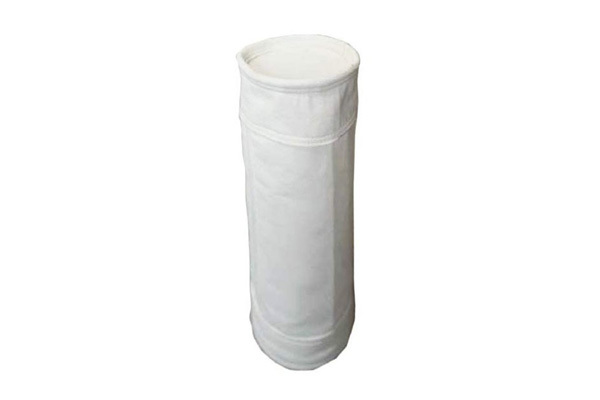
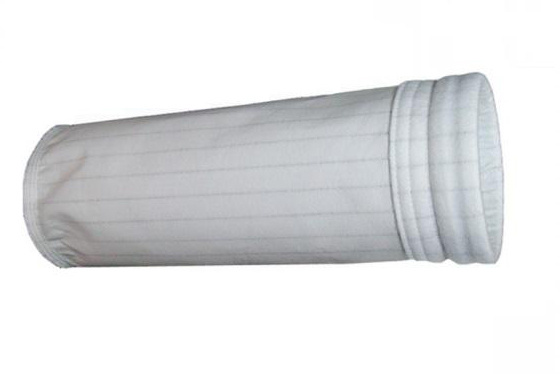
Baghouse filter bags are essential components in industrial filtration systems, widely used to capture particulate matter from exhaust gases and maintain air quality. These filter bags operate within baghouse systems, which are designed to collect dust and other contaminants generated from various processes, including manufacturing, woodworking, and waste management. Understanding the importance, types, and maintenance of baghouse filter bags can significantly impact the efficiency and longevity of your filtration system.
Baghouse filter bags come in various materials, each designed to meet specific filtration requirements. Common materials include polyester, polypropylene, and fiberglass, which offer different levels of durability and heat resistance. For instance, polyester bags are typically used in environments with moderate temperatures and humidity, while fiberglass bags can withstand higher temperatures and more demanding conditions. Choosing the right material is crucial for ensuring optimal performance and longevity of the filter bags in your specific application.
Another important consideration is the type of filter bag design. There are several designs, including sewn bags, welded bags, and snap band bags, each catering to different installation and operational needs. Sewn bags are commonly used for standard applications, while welded bags may provide enhanced durability in high-stress environments. Understanding these differences can help you select the appropriate filter bag design for your system.
The maintenance of baghouse filter bags is paramount for optimal performance. Regular inspection and cleaning are essential to prevent clogging, which can lead to reduced airflow and increased energy consumption. Cleaning methods vary, with pulse jet cleaning and shaker systems being popular choices. Pulse jet cleaning uses bursts of compressed air to dislodge accumulated dust, while shaker systems utilize mechanical vibrations. Implementing an effective cleaning schedule ensures that your filter bags maintain their efficiency and prolongs their lifespan.
It's also wise to monitor the pressure drop across the filter bags, which is an indicator of their condition. A significant increase in pressure drop may signal the need for maintenance or replacement. Keeping track of performance metrics can help you identify issues early and take corrective action before they impact your operations.
In conclusion, understanding baghouse filter bags—ranging from their material types and designs to maintenance practices—is crucial for any industrial operation relying on effective air filtration. By selecting the right filter bags and implementing a proactive maintenance strategy, you can ensure optimal performance, reduce operational costs, and contribute to a healthier workplace environment.
latest News


CONTACT
Add:No. 8 Xinyuan Road, Shizhuang Industrial Park, Funing, Jiangsu Province
Tel:+8613862107418 / +8618913761835
WhatsApp:+8613862107418/+8618913761835


