

NEWS & BLOG
Understanding Bag Dust Filters: Essential Insights for Industrial Applications
Release time:
2025-04-21
In various industrial environments, the management of airborne dust and particulate matter is crucial for both health and operational efficiency. One of the most effective solutions for this challenge is the bag dust filter. This type of filter plays a pivotal role in ensuring that industries comply with air quality standards and maintain a safe working atmosphere. At its core, a bag dust filter
In various industrial environments, the management of airborne dust and particulate matter is crucial for both health and operational efficiency. One of the most effective solutions for this challenge is the bag dust filter. This type of filter plays a pivotal role in ensuring that industries comply with air quality standards and maintain a safe working atmosphere.
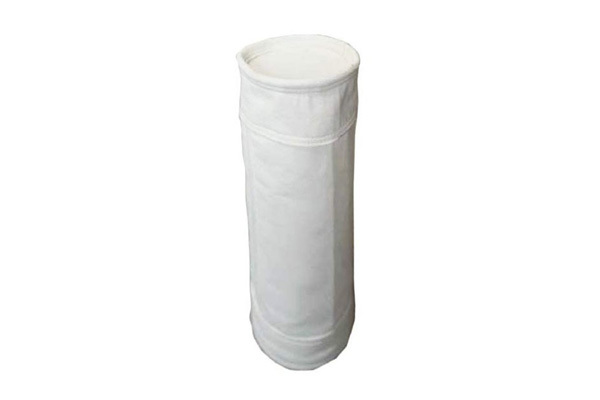
At its core, a bag dust filter is designed to capture and retain particulate matter from the air through a series of fabric bags. These filters operate under the principle of direct filtration, where dust-laden air is forced through the fabric material, trapping particles while allowing clean air to pass through. The design of bag dust filters often includes a housing that contains multiple bags, which can be made from various materials, depending on the application requirements.
One of the primary advantages of bag dust filters is their efficiency in removing fine particulates from the air. These filters can achieve high filtration efficiencies, capturing particles as small as a few microns. This capability makes them ideal for industries where the emission of fine dust can lead to significant health hazards and regulatory non-compliance. Regular maintenance and timely replacement of the filter bags are essential to maintain optimal performance. By ensuring that the bags are clean and free from excessive dust build-up, businesses can prolong the life of the filter system and reduce overall operational costs.
Furthermore, bag dust filters contribute to significant cost savings in various ways. By controlling dust emissions, companies can avoid potential fines associated with environmental regulations. Additionally, maintaining a cleaner working environment can lead to lower maintenance costs for machinery and equipment, as dust accumulation can cause wear and tear.
Moreover, advancements in bag filter technology have led to the development of specialized materials that enhance filtration performance while reducing energy consumption. Some modern systems incorporate features such as automatic cleaning systems, which utilize compressed air to dislodge accumulated dust from the bags, thus minimizing downtime and labor costs associated with manual cleaning.
In conclusion, bag dust filters are an indispensable component of air pollution control in industrial applications. Their ability to efficiently capture and retain particulates not only aids in compliance with environmental regulations but also promotes a healthier workplace. For industries looking to enhance their air quality management strategies, understanding the functionality and benefits of bag dust filters is essential. By investing in these systems, companies can achieve operational excellence while safeguarding the health of their employees and the environment.
latest News



CONTACT
Add:No. 8 Xinyuan Road, Shizhuang Industrial Park, Funing, Jiangsu Province
Tel:+8613862107418 / +8618913761835
WhatsApp:+8613862107418/+8618913761835


