

NEWS & BLOG
Understanding Bag Dust Filters: Essential Components for Efficient Air Filtration
Release time:
2025-04-19
Bag dust filters, commonly used in industrial settings, play a vital role in maintaining air quality and ensuring compliance with environmental regulations. These filters are designed to capture and contain particulate matter, ensuring that harmful dust and pollutants are not released into the atmosphere. Understanding the workings and advantages of bag dust filters can help industries make inform
Bag dust filters, commonly used in industrial settings, play a vital role in maintaining air quality and ensuring compliance with environmental regulations. These filters are designed to capture and contain particulate matter, ensuring that harmful dust and pollutants are not released into the atmosphere. Understanding the workings and advantages of bag dust filters can help industries make informed decisions about their air filtration needs.
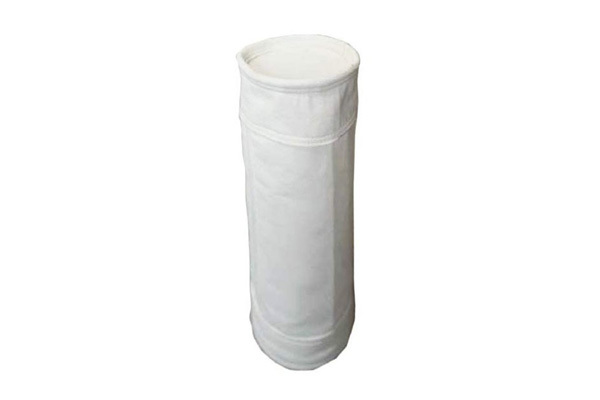
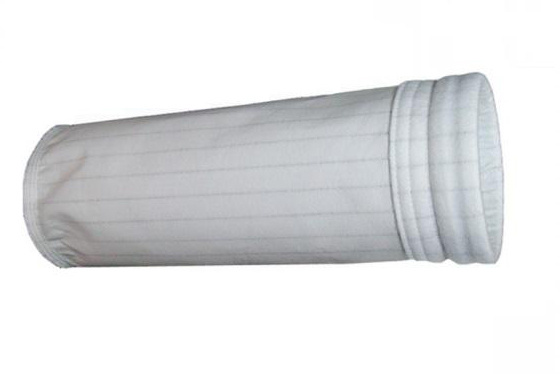
The primary function of a bag dust filter is to remove airborne particles from dust-laden air. This is achieved through a process known as fabric filtration. In essence, the contaminated air passes through a series of fabric bags, which act as the filtering medium. As the air flows through these bags, the particles are trapped on the surface or within the fabric, while the clean air is allowed to pass through. The efficiency of a bag dust filter is significantly influenced by the type of fabric used, the size of the filter bags, and the design of the filtration system.
One of the major benefits of bag dust filters is their high filtration efficiency. They can capture particles as small as a few microns, making them suitable for a wide range of applications, from woodworking and metalworking to pharmaceutical manufacturing. This capability is particularly important in industries where air quality is directly linked to product quality and worker safety. By preventing the release of harmful particles, bag dust filters contribute to a safer working environment and help businesses comply with occupational health standards.
In addition to their efficiency, bag dust filters are also known for their durability and long service life. Many modern filters are designed to withstand harsh operating conditions, including high temperatures and corrosive substances. Furthermore, maintenance and cleaning processes for bag dust filters have become more advanced, with features such as automated cleaning systems that help extend the life of the filters and reduce downtime.
Another significant advantage of bag dust filters is their versatility. They can be customized to meet the specific needs of different industries, whether for high-volume dust collection or fine particulate control. This adaptability makes them a popular choice across various sectors, including food processing, mining, and chemical manufacturing.
In conclusion, bag dust filters are essential components in the realm of industrial air filtration. Their ability to effectively capture and contain dust and particles makes them invaluable for maintaining air quality and ensuring compliance with health regulations. By choosing the right bag dust filter, industries can enhance their operational efficiency, protect their workforce, and contribute to a healthier environment. Understanding the benefits and applications of these filters is the first step towards making informed decisions for air filtration solutions.
latest News


CONTACT
Add:No. 8 Xinyuan Road, Shizhuang Industrial Park, Funing, Jiangsu Province
Tel:+8613862107418 / +8618913761835
WhatsApp:+8613862107418/+8618913761835


