

NEWS & BLOG
Understanding Bag Filtration: Essential Insights for Industrial Applications
Release time:
2025-04-17
Bag filtration is a crucial technology used in various industrial applications to purify air and liquids. It involves the use of filter bags, which are typically made from woven or non-woven materials that capture particulates as fluids or gases pass through them. This method is particularly effective in industries where the removal of contaminants is vital for both operational efficiency and comp
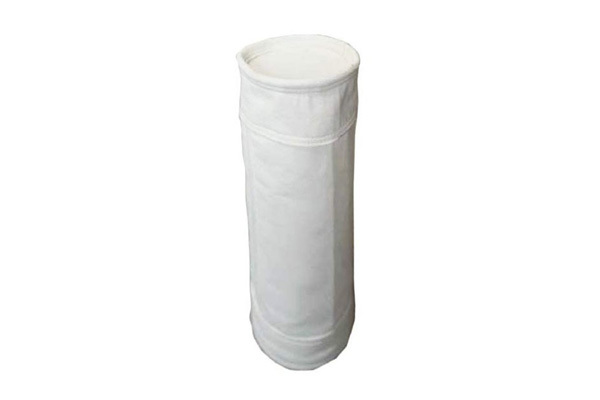
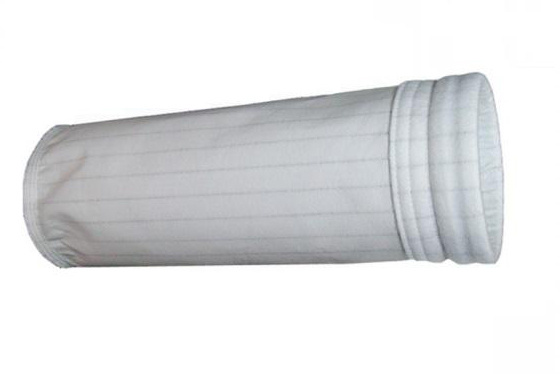
Bag filtration is a crucial technology used in various industrial applications to purify air and liquids. It involves the use of filter bags, which are typically made from woven or non-woven materials that capture particulates as fluids or gases pass through them. This method is particularly effective in industries where the removal of contaminants is vital for both operational efficiency and compliance with environmental regulations.
The fundamental principle behind bag filtration is the physical separation of solids from fluids or gases. As the fluid enters the filtration system, it flows through the filter bags, which trap particles based on size, density, and the material of the filter media. Bag filters can capture a wide range of particle sizes, making them versatile for various applications, from removing dust and debris to capturing finer particles in chemical processes.
In industrial settings, bag filtration systems are often utilized to manage dust control, process liquid filtration, and protect equipment from damage caused by unwanted particles. For example, in the cement industry, bag filters play a critical role in minimizing airborne dust, ensuring a cleaner environment and improving worker safety. Similarly, in the food and beverage sector, bag filtration helps maintain product quality by removing unwanted contaminants from liquids.
One of the significant advantages of bag filtration is its efficiency. Filter bags have a high surface area-to-volume ratio, allowing them to capture more particles while maintaining a low-pressure drop across the filter. This characteristic is particularly beneficial for processes requiring continuous operation, as it ensures minimal disruption and energy consumption. Additionally, bag filters are easy to replace, which contributes to lower maintenance costs and operational downtime.
Moreover, the choice of filter media is crucial in optimizing the performance of bag filters. Different materials, such as polyester, polypropylene, or microfiber, can be selected based on the specific application and the nature of the contaminants. Understanding the compatibility of the filter media with the process fluids is essential to achieving optimal filtration efficiency and longevity of the filters.
In summary, bag filtration is an indispensable technology in numerous industrial applications. Its ability to effectively remove contaminants while ensuring operational efficiency makes it a preferred choice in many sectors. By understanding the principles and benefits of bag filtration, industries can make informed decisions about their purification processes, ultimately contributing to better product quality and environmental compliance.
latest News


CONTACT
Add:No. 8 Xinyuan Road, Shizhuang Industrial Park, Funing, Jiangsu Province
Tel:+8613862107418 / +8618913761835
WhatsApp:+8613862107418/+8618913761835


