

NEWS & BLOG
The Essential Role of Bag Filtration in Food and Beverage Processing: Enhancing Purity and Safety
Release time:
2025-04-16
The Essential Role of Bag Filtration in Food and Beverage Processing The food and beverage industry faces unique challenges when it comes to maintaining product purity and safety. In this context, **bag filtration** emerges as a critical component, providing essential solutions to handle contaminants effectively. This article delves into the multifaceted role of bag filtration systems, their benef
The Essential Role of Bag Filtration in Food and Beverage Processing
The food and beverage industry faces unique challenges when it comes to maintaining product purity and safety. In this context, **bag filtration** emerges as a critical component, providing essential solutions to handle contaminants effectively. This article delves into the multifaceted role of bag filtration systems, their benefits, key applications, and best practices to ensure optimal performance in food and beverage processing.
Table of Contents
- 1. Introduction to Bag Filtration
- 2. Importance of Filtration in Food and Beverage Processing
- 3. How Bag Filtration Works
- 4. Benefits of Bag Filtration in Food and Beverage Applications
- 5. Key Applications of Bag Filtration Systems
- 6. Choosing the Right Bag Filtration System
- 7. Maintenance and Best Practices
- 8. Future Trends in Bag Filtration Technology
- 9. Conclusion
- 10. Frequently Asked Questions
1. Introduction to Bag Filtration
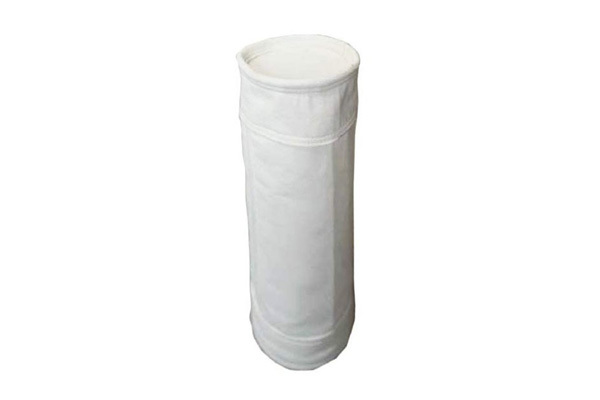
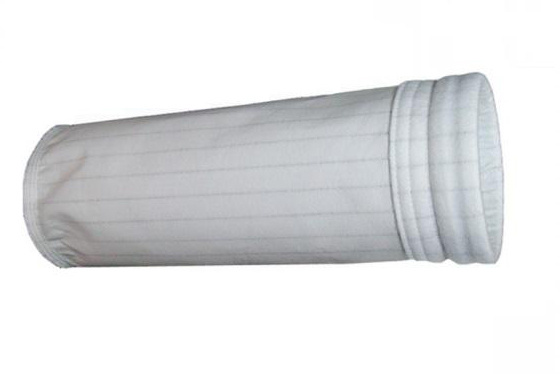
Bag filtration is a widely employed method in the food and beverage industry, designed to remove particulate contaminants from liquids. **Bag filters** consist of a fabric bag that traps contaminants while allowing the filtered liquid to pass through. This process not only enhances the quality of the final product but also protects downstream equipment, ensuring smooth operations.
The growing demand for high-quality food and beverages necessitates advanced filtration solutions. Bag filtration systems offer a **versatile and efficient method** to achieve stringent quality standards, addressing various challenges faced in production processes.
2. Importance of Filtration in Food and Beverage Processing
Effective filtration plays a vital role in maintaining the integrity of food and beverage products. Contaminants such as particles, sediments, and microorganisms can adversely affect product quality, leading to spoilage and safety concerns. Here are some key reasons why filtration is crucial:
- **Quality Assurance**: Removing unwanted particles ensures that the final product meets consumer expectations for taste, clarity, and safety.
- **Safety Compliance**: Adhering to regulatory standards is essential. Filtration helps manufacturers comply with food safety regulations by minimizing contaminants.
- **Equipment Protection**: Filtration systems protect pumps, valves, and other equipment from damage caused by particulates, reducing maintenance costs and downtime.
3. How Bag Filtration Works
Bag filtration operates through a straightforward yet effective mechanism. The basic steps involved in the process are as follows:
1. **Liquid Entry**: The liquid to be filtered enters the bag filter housing through an inlet.
2. **Filtration Process**: As the liquid flows through the fabric bag, larger particles are trapped within the bag's fibers, while the filtered liquid passes through to the outlet.
3. **Collection of Contaminants**: The contaminants accumulate on the surface of the bag, enhancing its filtration efficiency over time until it reaches a specified differential pressure.
4. **Bag Replacement**: Once the pressure differential indicates that the bag is saturated or clogged, it is replaced with a new bag to maintain optimal filtration performance.
The choice of filter media, bag construction, and size will depend on the specific requirements of the application, making it imperative for manufacturers to assess their needs carefully.
4. Benefits of Bag Filtration in Food and Beverage Applications
Implementing bag filtration systems in food and beverage processing offers numerous advantages, including:
- **Cost-Effectiveness**: Bag filters are generally less expensive compared to other filtration options, making them an economical choice for manufacturers.
- **Ease of Use**: Bag filters are user-friendly and easy to replace, minimizing downtime in production.
- **High Filtration Efficiency**: Bag filters provide a high surface area for capturing contaminants, resulting in effective filtration of particulates down to very small micron sizes.
- **Versatility**: Available in various sizes and materials, bag filtration systems can be tailored to meet specific process requirements, including liquid type and flow rates.
- **Reduced Environmental Impact**: Many bag filters are designed to be reusable or recyclable, contributing to a more sustainable manufacturing process.
5. Key Applications of Bag Filtration Systems
Bag filtration systems find applications across various segments of the food and beverage industry, including:
5.1 Beverage Production
In beverage production, bag filters are commonly used for clarifying juices, wines, and soft drinks. They help remove sediment and pulp while ensuring a clear, aesthetically pleasing product.
5.2 Dairy Processing
In the dairy sector, bag filtration aids in the removal of milk sediments and contaminants, ensuring the purity and safety of milk products.
5.3 Oil and Fat Filtration
Bag filters are essential in the edible oil industry, where they help eliminate impurities to maintain the quality and stability of oils and fats.
5.4 Food Processing
In food processing, bag filtration systems are utilized to filter broths, sauces, and other liquids, ensuring that the final products are free from unwanted particles.
5.5 Breweries
In breweries, bag filtration plays a crucial role in the clarification of beer by removing hops, yeast, and other solid materials post-fermentation.
6. Choosing the Right Bag Filtration System
Selecting the right bag filtration system requires careful consideration of several factors:
- **Application Requirements**: Identify the specific filtration needs based on the type of liquid, particulate size, and desired clarity.
- **Flow Rate**: Evaluate the required flow rate to ensure that the filtration system can handle the volume of liquid processed in a timely manner.
- **Bag Material**: Consider the compatibility of the filter bag material with the liquid being filtered. Common materials include polypropylene, nylon, and polyester.
- **Micron Rating**: Choose bags with appropriate micron ratings to effectively capture the desired particle size.
Working with a filtration expert can help streamline the selection process and ensure that the system aligns with production goals.
7. Maintenance and Best Practices
To ensure the longevity and effectiveness of bag filtration systems, regular maintenance and best practices should be followed:
- **Routine Inspections**: Check filter bags for wear and damage to prevent leaks and maintain filtration efficiency.
- **Scheduled Replacements**: Establish a replacement schedule based on pressure differentials to avoid clogs that could disrupt production.
- **Cleaning Protocols**: Implement cleaning protocols for the filter housing to prevent contamination and maintain hygienic conditions.
- **Record Keeping**: Maintain records of filter changes and performance metrics to optimize the filtration process over time.
By adhering to these best practices, manufacturers can maximize the performance of their bag filtration systems while ensuring product quality.
8. Future Trends in Bag Filtration Technology
As the food and beverage industry continues to evolve, so too do the technologies involved in filtration. Some emerging trends include:
- **Advancements in Filter Media**: The development of innovative filter materials that enhance filtration efficiency while reducing environmental impact.
- **Integration of IoT Technologies**: The use of smart sensors and IoT devices to monitor filtration performance in real-time, allowing for proactive maintenance and optimization.
- **Sustainability Initiatives**: A growing focus on eco-friendly bag filtration solutions, including biodegradable filter bags and systems designed for minimal waste.
- **Enhanced Automation**: Increasing automation in filtration processes to reduce labor costs and improve efficiency.
Staying abreast of these trends will be crucial for manufacturers seeking to maintain a competitive edge in the industry.
9. Conclusion
Bag filtration systems play an indispensable role in ensuring the safety, quality, and efficiency of food and beverage processing. By effectively removing contaminants, these systems not only protect the integrity of products but also safeguard production equipment, contribute to regulatory compliance, and promote sustainability.
Adopting the right bag filtration solutions tailored to specific applications will enhance product quality and operational efficiency. As technology advances, staying informed about the latest trends and best practices will further empower manufacturers to achieve excellence in their filtration processes.
10. Frequently Asked Questions
What are the key advantages of using bag filtration in food and beverage processing?
Bag filtration systems are cost-effective, easy to use, and provide high filtration efficiency, ensuring the purity and quality of food and beverage products.
How often should bag filters be replaced in a processing line?
Replacement frequency depends on the specific application and pressure differential. Regular inspections and monitoring are essential to determine optimal replacement intervals.
Can bag filters be reused?
Some bag filters are designed to be reusable, while others are disposable. It is essential to follow manufacturer guidelines to ensure safety and effectiveness.
What factors should be considered when selecting a bag filtration system?
Key factors include application requirements, flow rate, bag material compatibility, and micron rating based on the types of particles to be filtered.
How does bag filtration improve product safety?
By effectively removing particulates and contaminants, bag filtration ensures that food and beverage products meet safety standards and retain their quality throughout processing.
latest News


CONTACT
Add:No. 8 Xinyuan Road, Shizhuang Industrial Park, Funing, Jiangsu Province
Tel:+8613862107418 / +8618913761835
WhatsApp:+8613862107418/+8618913761835


