

NEWS & BLOG
Understanding Industrial Filter Bags: Essential Components for Efficient Filtration
Release time:
2025-04-13
Industrial filter bags are vital components in a wide range of filtration systems across various industries. Their primary function is to remove particulate contaminants from air or liquid streams, thus contributing to cleaner production processes and enhanced product quality. Understanding the different types and applications of industrial filter bags can help professionals make informed decision
Industrial filter bags are vital components in a wide range of filtration systems across various industries. Their primary function is to remove particulate contaminants from air or liquid streams, thus contributing to cleaner production processes and enhanced product quality. Understanding the different types and applications of industrial filter bags can help professionals make informed decisions regarding their filtration needs.
Filter bags are typically made from a variety of materials designed to withstand harsh operating conditions. Common materials include polyester, polypropylene, nylon, and various synthetic blends. The choice of material often depends on the specific application, including the type of contaminants being filtered, temperature, and chemical compatibility. For instance, polyester bags are widely used for their durability and resistance to moisture, making them suitable for dust and particulate matter in various industries.
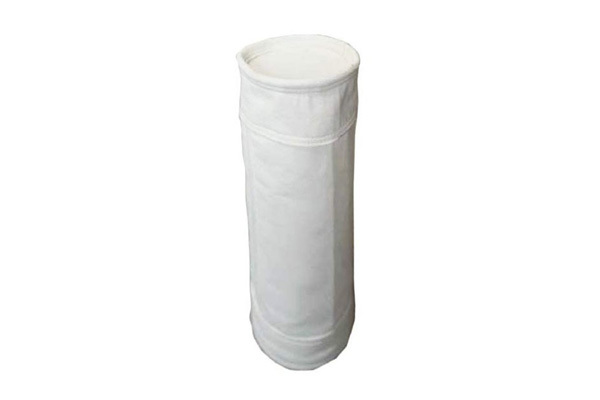
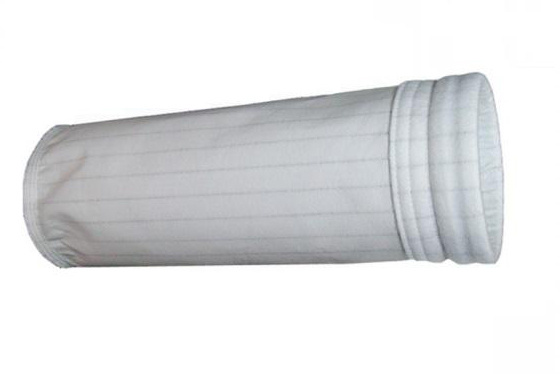
Industrial filter bags come in different styles, including sleeve, flat, and pocket designs. Sleeve bags are commonly utilized in baghouse systems, where they are suspended vertically, allowing dust and particulates to accumulate on the outer surface. Flat bags are often used in applications with low dust load, while pocket bags provide a larger surface area for filtration, enhancing dust retention and extending the life of the filter.
One of the significant advantages of using industrial filter bags is their high filtration efficiency. These bags can capture particles ranging from a few microns to larger contaminants, ensuring that the final output meets the required cleanliness standards. This is especially crucial in industries such as pharmaceuticals, food processing, and chemical manufacturing, where even minimal contamination can lead to significant quality issues.
Moreover, proper maintenance and timely replacement of filter bags are essential for optimal performance. Over time, filter bags can become clogged with particulates, leading to increased pressure drops and reduced airflow. Regular monitoring and adherence to maintenance schedules can prevent costly downtime and maintain operational efficiency. Additionally, advancements in filter bag technology have led to the development of bags with enhanced features such as pleating, which increases the surface area and allows for better dirt-holding capacity.
In summary, industrial filter bags play a crucial role in maintaining air and liquid quality in diverse industrial applications. By understanding the types, materials, and maintenance requirements, professionals can ensure they select the right filter bags to meet their specific filtration needs. As industries continue to evolve, the development of more advanced filtration solutions will only enhance the performance and efficiency of industrial operations.
latest News


CONTACT
Add:No. 8 Xinyuan Road, Shizhuang Industrial Park, Funing, Jiangsu Province
Tel:+8613862107418 / +8618913761835
WhatsApp:+8613862107418/+8618913761835


