

NEWS & BLOG
Why Choosing the Right Industrial Filter Bag is Crucial for Efficiency
Release time:
2025-04-12
Why Choosing the Right Industrial Filter Bag is Crucial for Efficiency Industrial filter bags play a pivotal role in maintaining efficiency across various sectors by ensuring that processes run smoothly while minimizing waste and maintaining product quality. The selection of the appropriate filter bag is not merely a matter of convenience; it’s a crucial decision that can affect operational costs,
Why Choosing the Right Industrial Filter Bag is Crucial for Efficiency
Industrial filter bags play a pivotal role in maintaining efficiency across various sectors by ensuring that processes run smoothly while minimizing waste and maintaining product quality. The selection of the appropriate filter bag is not merely a matter of convenience; it’s a crucial decision that can affect operational costs, output quality, and regulatory compliance. This article will delve into the critical factors and considerations involved in selecting the right industrial filter bag, emphasizing its importance for efficiency.
Table of Contents
1. Understanding Industrial Filter Bags
2. The Significance of Choosing the Right Filter Bag
3. Different Types of Industrial Filter Bags
3.1. Polyester Filter Bags
3.2. Polypropylene Filter Bags
3.3. Nylon Filter Bags
3.4. PTFE Filter Bags
4. Key Factors to Consider When Choosing Filter Bags
4.1. Filtration Efficiency
4.2. Chemical Compatibility
4.3. Temperature Resistance
4.4. Bag Design and Size
5. The Impact of Filter Bag Quality on Operational Costs
6. Maintenance and Replacement of Filter Bags
7. Frequently Asked Questions
8. Conclusion
1. Understanding Industrial Filter Bags
Industrial filter bags are essential components in various filtration systems that help separate solids from liquids or gases. These bags are commonly used in industrial applications, such as water treatment plants, food and beverage processing, and chemical manufacturing. They are designed to capture particulate matter and other impurities while allowing the clean liquid or gas to pass through. The effectiveness of filtration directly influences the efficiency and productivity of the operation, making the choice of filter bags a critical factor.
2. The Significance of Choosing the Right Filter Bag
Selecting the right industrial filter bag is crucial for several reasons. Firstly, an appropriate filter bag ensures optimal filtration performance, which directly correlates with product quality. Secondly, it minimizes operational downtime, which can occur due to frequent bag changes or clogs. Thirdly, the correct filter bag can reduce waste and improve overall efficiency, leading to lower operational costs. In summary, making an informed choice about filter bags is key to enhancing both productivity and efficiency.
3. Different Types of Industrial Filter Bags
Filter bags come in various types and materials, each suited for specific applications. Understanding these options is essential for making the right choice.
3.1. Polyester Filter Bags
Polyester filter bags are widely used due to their excellent chemical compatibility and resistance to abrasion. They are particularly effective in applications involving water-based solutions and provide good filtration efficiency for a variety of particulates.
3.2. Polypropylene Filter Bags
Polypropylene filter bags offer superior chemical resistance and are ideal for filtering acidic or alkaline solutions. They are lightweight, making them easier to handle, and are commonly used in various industrial sectors, including wastewater treatment.
3.3. Nylon Filter Bags
Nylon filter bags are known for their high tensile strength and are often used in applications requiring high filtration efficiency. They are suitable for both liquid and air filtration and can withstand high temperatures.
3.4. PTFE Filter Bags
PTFE filter bags are the go-to option for extreme conditions. They have excellent thermal stability and chemical resistance, making them ideal for high-temperature applications and aggressive chemicals.
4. Key Factors to Consider When Choosing Filter Bags
When selecting an industrial filter bag, several critical factors must be considered to ensure optimal performance.
4.1. Filtration Efficiency
Filtration efficiency refers to the ability of a filter bag to capture particulates of various sizes. It is essential to choose a bag with the appropriate micron rating for your specific application. Higher filtration efficiency can lead to better product quality and less rework.
4.2. Chemical Compatibility
Different filter bag materials exhibit varying levels of chemical resistance. Assessing the chemicals involved in your process is vital to avoid degradation of the filter bag material, which can lead to contamination.
4.3. Temperature Resistance
If your operation involves high-temperature processes, it is essential to choose a filter bag that can withstand those temperatures. Failure to do so can result in bag rupture or melting, which compromises the filtration process.
4.4. Bag Design and Size
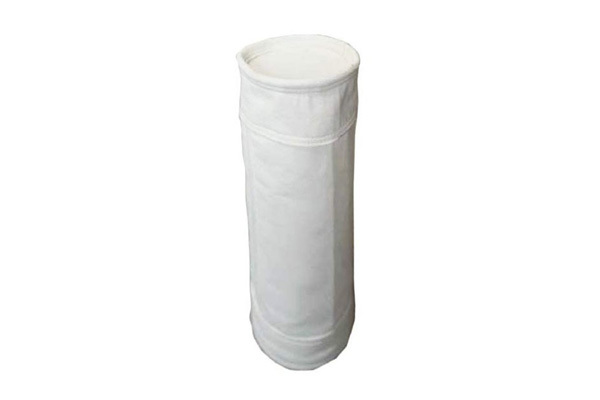
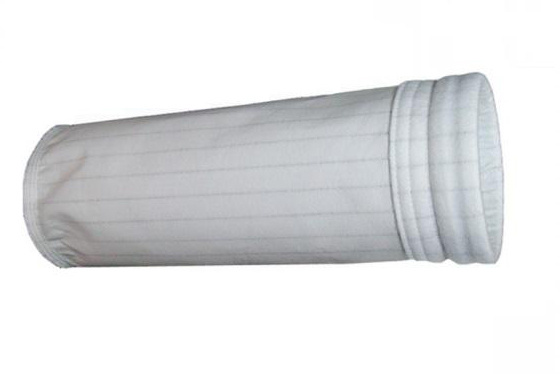
The design and size of the filter bag play a crucial role in its performance. Ensure that the bag fits securely in the housing without any gaps that could allow unfiltered material to pass through. Additionally, consider the bag's surface area, as a larger area can enhance filtration efficiency.
5. The Impact of Filter Bag Quality on Operational Costs
Investing in high-quality filter bags can lead to significant cost savings in the long run. Poor-quality bags may require frequent replacements, leading to increased labor costs and operational downtime. Additionally, inadequate filtration can result in product quality issues, which may lead to costly rework or product recalls. By choosing durable, effective filter bags, operations can reduce waste, minimize labor costs, and improve overall profitability.
6. Maintenance and Replacement of Filter Bags
Proper maintenance of filter bags is essential to ensure their longevity and performance. Regular checks on bag conditions can help identify wear and tear before they impact filtration efficiency. It is also crucial to establish a replacement schedule to prevent unexpected downtimes. Keeping a close eye on bag performance can ensure that your filtration system operates at peak efficiency.
7. Frequently Asked Questions
What are the main types of industrial filter bags?
The main types include polyester, polypropylene, nylon, and PTFE filter bags, each suited for different applications and conditions.
How do I know which filter bag is suitable for my application?
Consider factors such as filtration efficiency, chemical compatibility, temperature resistance, and the specific characteristics of the material being filtered.
What is the average lifespan of an industrial filter bag?
The lifespan of filter bags can vary widely based on usage, material, and application. Regular monitoring can help determine the appropriate replacement schedule.
Can I clean and reuse industrial filter bags?
Some filter bags are designed for multiple uses and can be cleaned effectively, while others are meant for single-use only. Always refer to the manufacturer’s guidelines.
How can I improve the efficiency of my filtration system?
Choose high-quality filter bags, maintain them properly, and monitor your system’s performance regularly to ensure optimal efficiency.
8. Conclusion
In conclusion, the selection of the right industrial filter bag is crucial for enhancing operational efficiency across various industries. By understanding the different types of filter bags, their key attributes, and the factors influencing their performance, organizations can make informed choices that lead to improved filtration, reduced downtime, and significant cost savings. Prioritizing quality and compatibility ensures that your filtration systems operate seamlessly, delivering consistent and reliable results. Making the right choice today can pave the way for future efficiency and productivity.
latest News


CONTACT
Add:No. 8 Xinyuan Road, Shizhuang Industrial Park, Funing, Jiangsu Province
Tel:+8613862107418 / +8618913761835
WhatsApp:+8613862107418/+8618913761835


