

NEWS & BLOG
Understanding Industrial Filter Bags: Essential Components for Effective Filtration
Release time:
2025-04-11
Industrial filter bags are critical components used in various industrial filtration processes. These bags are designed to capture and retain particulate matter from gases, liquids, and slurries, ensuring that the output meets the necessary quality standards. Filter bags are widely used in industries such as manufacturing, pharmaceuticals, food and beverage, and waste management, where particulate
Industrial filter bags are critical components used in various industrial filtration processes. These bags are designed to capture and retain particulate matter from gases, liquids, and slurries, ensuring that the output meets the necessary quality standards. Filter bags are widely used in industries such as manufacturing, pharmaceuticals, food and beverage, and waste management, where particulate control is essential for operational efficiency and environmental compliance.
One of the primary functions of industrial filter bags is to separate particles from fluids. They act as a barrier, allowing only clean air or liquid to pass through while trapping contaminants such as dust, debris, and other particulate matter. The filtration process can vary significantly depending on the application, which is why choosing the right type of filter bag, based on material and design, is vital for optimal performance.
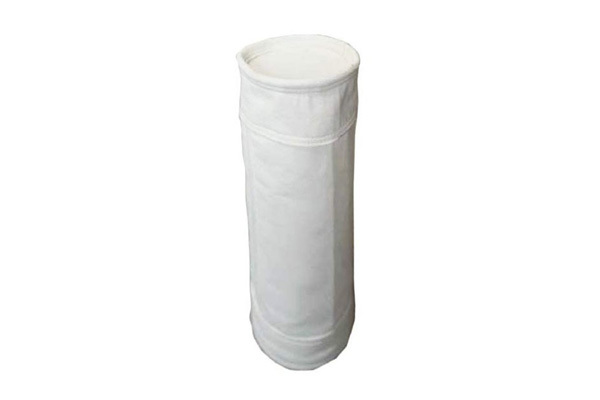
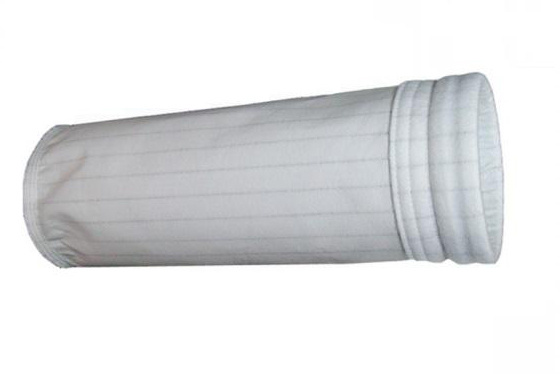
Industrial filter bags come in various shapes and sizes, tailored to meet specific operational demands. The most common designs include sleeve bags, disc filters, and cylindrical bags. The choice of design often depends on the type of filtration system in use, as well as the characteristics of the materials being filtered. For example, sleeve bags are commonly used in baghouse filtration systems, where they are arranged in a way that maximizes surface area and filtration efficiency.
The materials used in industrial filter bags play a pivotal role in their performance. Common materials include polyester, polypropylene, and nylon, each offering unique properties that cater to different filtration needs. Polyester, for instance, is known for its durability and resistance to chemical degradation, making it suitable for a wide range of applications. In contrast, polypropylene offers excellent resistance to moisture and is often used in applications where water is a concern.
Moreover, industrial filter bags can be treated or coated to enhance their filtration capabilities. For example, some bags may undergo a process known as "pleating," which increases their surface area, thus improving their capacity to capture more particles without compromising airflow. This treatment can significantly extend the lifespan of the filter bag and reduce maintenance costs over time.
Maintaining the effectiveness of industrial filter bags is essential for ensuring consistent performance in any filtration system. Regular monitoring and replacement are necessary to prevent clogging and maintain efficient airflow. Failure to do so can lead to increased energy consumption and operational downtime.
In conclusion, industrial filter bags are indispensable for effective filtration across various industries. Understanding their types, materials, and applications is crucial for optimizing filtration systems and ensuring compliance with health and environmental regulations. By selecting the appropriate filter bags and maintaining them properly, businesses can achieve efficient filtration and contribute to a healthier environment.
latest News


CONTACT
Add:No. 8 Xinyuan Road, Shizhuang Industrial Park, Funing, Jiangsu Province
Tel:+8613862107418 / +8618913761835
WhatsApp:+8613862107418/+8618913761835


