

NEWS & BLOG
Essential Insights into Dust Collector Filter Bags for Enhanced Industrial Efficiency
Release time:
2025-04-09
In the realm of industrial equipment, **dust collector filter bags** serve as vital components in maintaining air quality and ensuring operational efficiency. These filter bags are designed to capture particulate matter and other airborne contaminants generated during various processes, thus playing a pivotal role in protecting both equipment and personnel. ### Types of Dust Collector Filter Bags
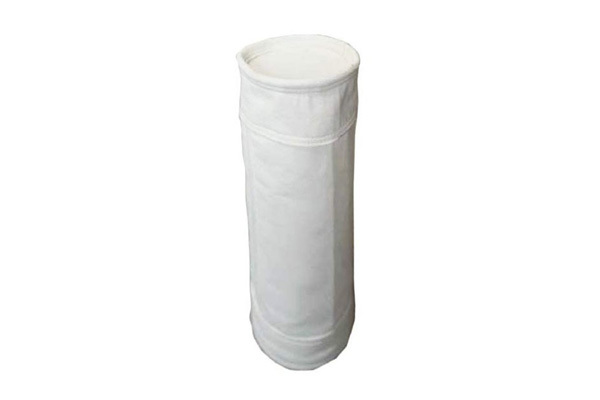
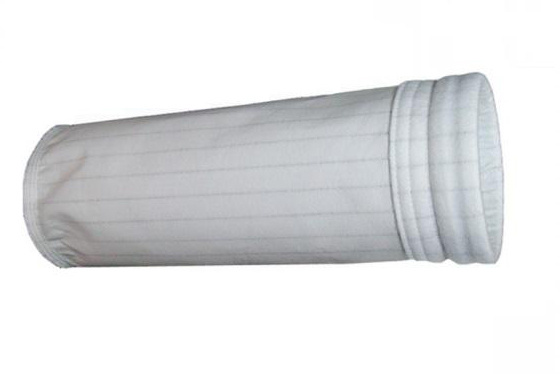
In the realm of industrial equipment, **dust collector filter bags** serve as vital components in maintaining air quality and ensuring operational efficiency. These filter bags are designed to capture particulate matter and other airborne contaminants generated during various processes, thus playing a pivotal role in protecting both equipment and personnel.
### Types of Dust Collector Filter Bags
Dust collector filter bags come in several types, each tailored to different applications and environmental conditions. The most common materials used for filter bags include polyester, polypropylene, and fiberglass. Polyester bags are generally used for standard applications due to their excellent filtration efficiency and cost-effectiveness. Polypropylene filter bags offer superior chemical resistance, making them suitable for environments where chemicals are prevalent. Fiberglass filter bags, on the other hand, are ideal for high-temperature applications, as they can withstand extreme thermal conditions without compromising performance.
### Filtration Mechanisms
The effectiveness of dust collector filter bags is largely attributed to their filtration mechanisms, which can include surface filtration and depth filtration. Surface filtration captures larger particles on the surface of the bag, while depth filtration allows smaller particles to penetrate deeper into the filter medium. This combination ensures optimal particle capture, reducing the amount of dust released back into the environment.
### Maintenance and Replacement
Proper maintenance is crucial for maximizing the lifespan and efficiency of dust collector filter bags. Regular inspections can help identify wear and tear, while cleaning practices, such as pulse-jet cleaning or shaker cleaning, can enhance the filter bags' performance by dislodging accumulated dust. It is important to establish a routine replacement schedule based on the specific application and operating conditions; this ensures that the filter bags continue to operate at peak efficiency.
### Benefits of Using Quality Filter Bags
Investing in high-quality dust collector filter bags can lead to significant benefits for industrial operations. First and foremost, enhanced air quality contributes to a healthier work environment, reducing the risk of respiratory issues among employees. Furthermore, effective dust collection minimizes equipment wear and tear, leading to lower maintenance costs and prolonged equipment life. Lastly, complying with environmental regulations and standards can be more easily achieved with reliable filtration systems in place.
In conclusion, understanding the various aspects of **dust collector filter bags**—from types and filtration mechanisms to maintenance practices—is essential for any industrial operation aiming to improve air quality and operational efficiency. By selecting the right filter bags and adhering to maintenance protocols, organizations can ensure a cleaner, safer working environment that meets both operational and regulatory standards.
latest News


CONTACT
Add:No. 8 Xinyuan Road, Shizhuang Industrial Park, Funing, Jiangsu Province
Tel:+8613862107418 / +8618913761835
WhatsApp:+8613862107418/+8618913761835


