

NEWS & BLOG
Top Reasons to Choose Polyester Filter Bags for Your Filtration Needs
Release time:
2025-04-04
Top Reasons to Choose Polyester Filter Bags for Your Filtration Needs Table of Contents Introduction to Polyester Filter Bags Understanding Filtration Processes Key Advantages of Polyester Filter Bags Durability and Performance Cost-Effectiveness of Polyester Filter Bags Common Applications and Industries Criteria for Selecting the Right Filter Bag Proper Maintenan
Top Reasons to Choose Polyester Filter Bags for Your Filtration Needs
Table of Contents
- Introduction to Polyester Filter Bags
- Understanding Filtration Processes
- Key Advantages of Polyester Filter Bags
- Durability and Performance
- Cost-Effectiveness of Polyester Filter Bags
- Common Applications and Industries
- Criteria for Selecting the Right Filter Bag
- Proper Maintenance of Polyester Filter Bags
- Frequently Asked Questions (FAQs)
- Conclusion
Introduction to Polyester Filter Bags
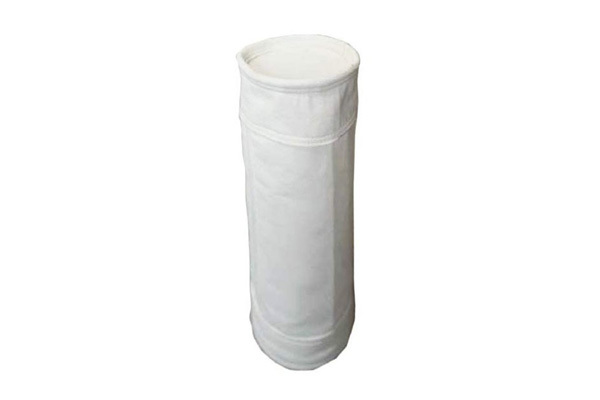
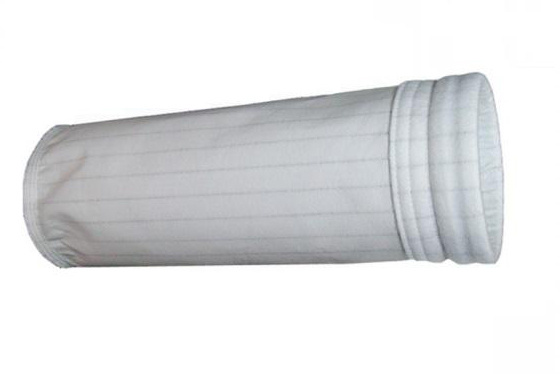
Polyester filter bags have become a fundamental component in various filtration systems across multiple industries. These filter bags are designed to efficiently capture particulate matter from liquids and gases, ensuring that processes run smoothly and effectively. The rising demand for high-quality filtration solutions has led to a surge in the use of polyester materials due to their distinctive characteristics. In this article, we will delve into the top reasons why polyester filter bags should be your go-to choice for filtration needs.
Understanding Filtration Processes
Filtration is a critical process in many industrial applications, aimed at removing contaminants from various mediums. Understanding the mechanics of filtration can assist in selecting the right materials for your needs. Filters can vary widely in terms of their construction, efficiency, and intended use.
Polyester filter bags are typically used in dust collection systems, wastewater treatment, and manufacturing processes. The choice of filter media directly impacts the efficiency and longevity of the filtration system. Polyester, a synthetic polymer, offers unique properties that enhance filtration performance.
Key Advantages of Polyester Filter Bags
Polyester filter bags present numerous advantages over other materials. Here are some of the most compelling reasons for their widespread adoption in filtration processes:
1. High Filtration Efficiency
Polyester filter bags are engineered to capture a wide range of particle sizes, from large debris to fine dust. This high filtration efficiency ensures that the output quality meets stringent regulatory standards.
2. Versatility
Available in various styles and configurations, polyester filter bags can be tailored to various applications, including liquid and air filtration. This flexibility allows industries to utilize them in diverse settings, from food processing to chemical manufacturing.
3. Chemical Resistance
Polyester is known for its excellent resistance to various chemicals, enabling the filter bags to withstand harsh environments without degrading. This property makes them suitable for industrial applications where exposure to corrosive substances is common.
4. Temperature Resistance
Polyester filter bags can typically handle temperatures ranging from -40°F to 194°F (-40°C to 90°C), making them ideal for many filtration applications. This temperature resilience ensures that the filter bags maintain their structural integrity under different operational conditions.
5. Easy Maintenance
Maintaining polyester filter bags is straightforward. They can be cleaned and reused in many instances, allowing for extended service life and reducing the cost of replacement filters.
Durability and Performance
The durability of polyester filter bags is one of their most significant advantages. They are designed to withstand the mechanical stress associated with filtration processes, reducing the need for frequent replacements.
1. Tear and Abrasion Resistance
Polyester fibers are inherently strong and resistant to tearing or abrasion, which is crucial in applications where the bags may encounter sharp particles or high flow rates. This strength ensures consistent performance over time.
2. Low Moisture Absorption
Polyester has low moisture absorption properties, which is beneficial in applications where moisture could compromise the integrity of the filter bag. This quality helps maintain consistent filtration performance in humid or wet environments.
Cost-Effectiveness of Polyester Filter Bags
Investing in polyester filter bags can lead to significant cost savings for businesses in the long run.
1. Lower Replacement Costs
Due to their durability and reusability, polyester filter bags often incur lower overall replacement costs compared to other materials. This affordability makes them accessible for businesses of all sizes.
2. Energy Efficiency
The high filtration efficiency of polyester bags means that they require less energy to operate filtration systems effectively. This can lead to reduced energy consumption and lower operational costs for businesses.
3. Reduced Waste
By opting for polyester filter bags that can be cleaned and reused, companies can minimize waste and contribute to more sustainable operations. This eco-friendly approach aligns with growing corporate responsibility initiatives.
Common Applications and Industries
Polyester filter bags are utilized across a broad spectrum of industries:
1. Food and Beverage Industry
In the food processing sector, polyester filter bags are used to ensure that products meet safety and quality standards. They effectively remove contaminants from liquids during the filtration process.
2. Chemical Manufacturing
Due to their chemical resistance, polyester filter bags are widely used in the chemical industry, where they filter out harmful particles from various substances.
3. Pharmaceuticals
The pharmaceutical industry relies on high-quality filtration to maintain product purity. Polyester filter bags are ideal for this purpose, helping to ensure compliance with stringent regulations.
4. Wastewater Treatment
In wastewater management, polyester filter bags play a critical role in removing solid particles and impurities from effluents, promoting environmental protection.
Criteria for Selecting the Right Filter Bag
Choosing the right polyester filter bag is essential for optimal filtration performance. Here are key criteria to consider:
1. Particle Size
Determine the size of the particles you need to filter. Polyester filter bags come in various micron ratings, so selecting the appropriate one ensures effective filtration.
2. Flow Rate
Consider the flow rate of the medium being filtered. The bag’s design must accommodate the specific flow requirements to maintain efficiency.
3. Chemical Compatibility
Evaluate the chemical composition of the substances you will be filtering. Ensure that the polyester filter bag is compatible with those chemicals to avoid degradation.
4. Temperature Range
Choose a filter bag that can handle the temperature conditions of your application. Ensure it meets or exceeds the expected temperature range.
Proper Maintenance of Polyester Filter Bags
To maximize the lifespan and efficiency of polyester filter bags, proper maintenance is crucial.
1. Regular Cleaning
Depending on the application, regular cleaning can extend the life of polyester filter bags. Follow the manufacturer’s guidelines for optimal cleaning methods.
2. Monitoring Performance
Regularly monitor the filtration performance to identify when to clean or replace the filter bags. Look for signs of wear, such as increased pressure drop or reduced flow rates.
3. Safe Handling
Handle filter bags carefully during installation and removal to prevent damage. Proper storage in a clean, dry environment is also essential to maintain their condition.
Frequently Asked Questions (FAQs)
1. What are polyester filter bags made from?
Polyester filter bags are made from synthetic polyester fibers, which provide excellent filtration properties, durability, and chemical resistance.
2. Can polyester filter bags be reused?
Yes, many polyester filter bags can be cleaned and reused, contributing to cost savings and environmental sustainability.
3. How do I know which micron rating to choose?
The micron rating you choose should correspond to the size of the particles you need to filter. Consult with your supplier for specific recommendations based on your application.
4. Are polyester filter bags suitable for high-temperature applications?
Polyester filter bags can typically withstand temperatures up to 194°F (90°C). For higher temperatures, consult with the manufacturer for alternatives.
5. How can I clean polyester filter bags effectively?
Cleaning methods vary, but typical approaches include backwashing, air cleaning, or using mild detergents. Always follow the manufacturer’s instructions for best results.
Conclusion
In conclusion, polyester filter bags represent an exceptional choice for various filtration needs across multiple industries. Their **high filtration efficiency**, **durability**, **chemical resistance**, and **cost-effectiveness** make them a preferred option for businesses seeking reliable filtration solutions. By understanding the advantages, applications, and maintenance of polyester filter bags, you can make informed decisions that enhance operational efficiency and comply with industry standards. Embrace the benefits of polyester filter bags and ensure that your filtration processes are as effective and sustainable as possible.
latest News


CONTACT
Add:No. 8 Xinyuan Road, Shizhuang Industrial Park, Funing, Jiangsu Province
Tel:+8613862107418 / +8618913761835
WhatsApp:+8613862107418/+8618913761835


