

NEWS & BLOG
How Polyester Filter Bags Enhance Air Quality and Efficiency
Release time:
2025-04-02
How Polyester Filter Bags Enhance Air Quality and Efficiency Table of Contents 1. Introduction to Polyester Filter Bags 2. What Are Polyester Filter Bags? 3. Benefits of Using Polyester Filter Bags 3.1 Improved Air Quality 3.2 Enhanced Energy Efficiency 3.3 Cost Effectiveness 4. How Polyester Filter Bags Work 5. Application
How Polyester Filter Bags Enhance Air Quality and Efficiency
Table of Contents
- 1. Introduction to Polyester Filter Bags
- 2. What Are Polyester Filter Bags?
- 3. Benefits of Using Polyester Filter Bags
- 4. How Polyester Filter Bags Work
- 5. Applications of Polyester Filter Bags
- 6. Maintenance and Lifespan of Polyester Filter Bags
- 7. Case Studies: Success Stories
- 8. Frequently Asked Questions
- 9. Conclusion
1. Introduction to Polyester Filter Bags
In today's industrial landscape, maintaining optimal air quality is essential for both worker health and equipment efficiency. One effective solution for achieving this is the use of **polyester filter bags**. These specialized filters play a significant role in various applications, from dust collection systems to air pollution control. By understanding how these bags function, their benefits, and their applications, we can appreciate their importance in enhancing both air quality and operational efficiency.
2. What Are Polyester Filter Bags?
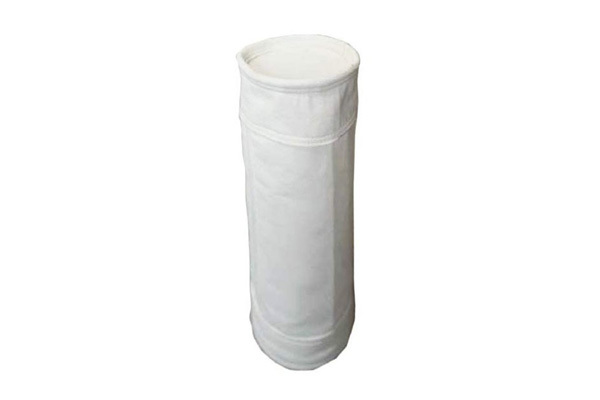
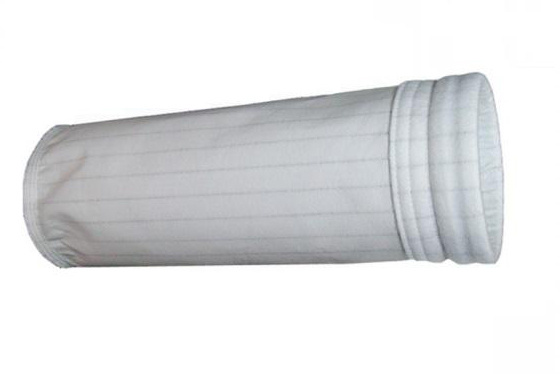
Polyester filter bags are filtration systems made from high-quality polyester fabric. Known for their durability and effectiveness, these bags are designed to capture airborne particles, dust, and contaminants. The versatility of polyester allows for various fabric weaves and thicknesses, making it suitable for diverse industrial applications.
The construction of polyester filter bags often includes features such as **stitching patterns, seam types**, and **finishing processes**. These elements contribute to the bags' filtration efficiency and lifespan, ensuring they can withstand the rigors of industrial environments.
3. Benefits of Using Polyester Filter Bags
Polyester filter bags offer numerous advantages that contribute to better air quality and operational efficiency. Below, we explore some of the key benefits.
3.1 Improved Air Quality
One of the primary reasons industries utilize polyester filter bags is their ability to enhance air quality. These bags effectively capture **particulate matter**, including dust, pollen, and other harmful particles. By filtering out these contaminants, polyester filter bags provide cleaner air for workers and the surrounding environment.
Additionally, cleaner air translates to reduced health risks associated with respiratory issues, leading to a safer workplace. This improvement in air quality can also have positive implications for regulatory compliance, as many industries are subject to strict air quality standards.
3.2 Enhanced Energy Efficiency
Polyester filter bags contribute to energy efficiency in several ways. First, by maintaining cleaner air, these filters can reduce the strain on HVAC systems. When air quality is compromised by contaminants, HVAC systems must work harder to maintain desired temperatures and ventilation levels. By using polyester filter bags, companies can minimize energy consumption, leading to lower utility bills and a smaller carbon footprint.
Furthermore, with less energy required to maintain air quality, companies can allocate resources toward other areas of operation, thus enhancing overall productivity.
3.3 Cost Effectiveness
Investing in polyester filter bags is a cost-effective solution for many industries. Although the initial investment may be higher than traditional filter options, the long-term benefits far outweigh the costs. Polyester filters have longer lifespans than many alternative materials, reducing the frequency of replacements and associated labor costs.
Moreover, the reduction in energy consumption and improved air quality can lead to fewer health-related expenses and increased employee productivity, ultimately boosting a company's bottom line.
4. How Polyester Filter Bags Work
The efficiency of polyester filter bags lies in their design and material properties. These bags utilize a combination of mechanical filtering, electrostatic attraction, and gravity to capture airborne particles.
**Mechanical Filtering**: As air passes through the filter bag, larger particles are trapped within the fabric, while smaller particles may penetrate deeper. The material's density plays a crucial role in determining the bag's filtration efficiency.
**Electrostatic Attraction**: Some polyester filter bags are treated with electrostatic properties, which enhance their ability to attract and capture particulate matter. This additional mechanism increases filtration capability, especially for fine dust.
**Gravity**: Once particles are trapped inside the bag, gravity assists in preventing them from re-entering the air stream. This continuous process allows for sustained air quality improvement over time.
5. Applications of Polyester Filter Bags
Polyester filter bags find use in various industries due to their versatility and efficiency. Some common applications include:
- **Dust Collection Systems**: Used in manufacturing and woodworking industries to capture dust and ensure clean air.
- **Industrial Air Filtration**: Employed in factories and plants to maintain air quality standards and protect equipment from dust accumulation.
- **Environmental Control**: Utilized in processes aimed at reducing emissions and adhering to government regulations regarding air quality.
- **Food Processing**: Ensures the removal of contaminants in air used during food production, contributing to food safety.
Each application serves to highlight the importance of polyester filter bags in maintaining both air quality and operational efficiency across different sectors.
6. Maintenance and Lifespan of Polyester Filter Bags
To ensure the optimal performance of polyester filter bags, proper maintenance is crucial. Regular inspection and cleaning can extend the lifespan of these bags and ensure they operate efficiently.
**Cleaning Methods**: Polyester filter bags can often be cleaned using methods such as reverse air flow, pulse jet cleaning, or shaker systems. Each method serves to dislodge and remove accumulated dust, allowing for continued airflow and filtration efficiency.
**Lifespan**: The lifespan of polyester filter bags varies based on factors such as usage, environmental conditions, and maintenance practices. On average, a well-maintained polyester filter bag can last from 1 to 3 years, depending on the specific application.
7. Case Studies: Success Stories
Several industries have experienced significant benefits from implementing polyester filter bags into their systems. For example:
**Case Study 1: Manufacturing Plant**
A manufacturing plant faced challenges with air quality and high energy costs due to inefficient filtration systems. By switching to polyester filter bags, the plant reported a 30% reduction in energy consumption and improved air quality, leading to enhanced employee productivity.
**Case Study 2: Food Processing Facility**
In a food processing facility, the introduction of polyester filter bags led to better compliance with health regulations. The facility noted a decrease in contaminants in the air, resulting in improved product safety and customer satisfaction.
These success stories exemplify the significant impact polyester filter bags can have on operational efficiency and air quality.
8. Frequently Asked Questions
What is the main advantage of polyester filter bags?
The main advantage is their ability to effectively capture airborne contaminants while improving energy efficiency and reducing costs associated with air filtration.
How often should polyester filter bags be replaced?
The replacement frequency depends on usage and cleaning. Typically, they can last between 1 to 3 years with proper maintenance.
Can polyester filter bags be cleaned and reused?
Yes, polyester filter bags can be cleaned using various methods and reused, contributing to their cost-effectiveness.
Are polyester filter bags environmentally friendly?
Polyester filter bags can enhance energy efficiency and reduce emissions, making them a more environmentally friendly option compared to some alternatives.
What industries benefit most from polyester filter bags?
Industries such as manufacturing, food processing, and environmental control see significant benefits from using polyester filter bags due to their filtration capabilities and efficiency.
9. Conclusion
Polyester filter bags are indispensable tools in the quest for improved air quality and operational efficiency in industrial settings. Their unique construction and effective filtration capabilities allow them to tackle airborne contaminants while enhancing energy efficiency and reducing overall costs. By understanding the benefits and applications of these filter bags, industries can make informed decisions that lead to healthier workplaces and optimized operations. Investing in polyester filter bags is not just a choice; it's a commitment to a cleaner, more efficient future.
latest News


CONTACT
Add:No. 8 Xinyuan Road, Shizhuang Industrial Park, Funing, Jiangsu Province
Tel:+8613862107418 / +8618913761835
WhatsApp:+8613862107418/+8618913761835


