

NEWS & BLOG
Enhancing Industrial Efficiency: The Essential Role of Filter Cartridges
Release time:
2025-03-26
In the realm of industrial equipment and components, filter cartridges play an indispensable role in maintaining operational efficiency and ensuring product quality. These components act as the frontline defense against contaminants in various processes, thereby protecting machinery, extending service life, and enhancing overall system performance. Understanding the technical aspects and selection
In the realm of industrial equipment and components, filter cartridges play an indispensable role in maintaining operational efficiency and ensuring product quality. These components act as the frontline defense against contaminants in various processes, thereby protecting machinery, extending service life, and enhancing overall system performance. Understanding the technical aspects and selection criteria for industrial filter cartridges can significantly impact operational outcomes.
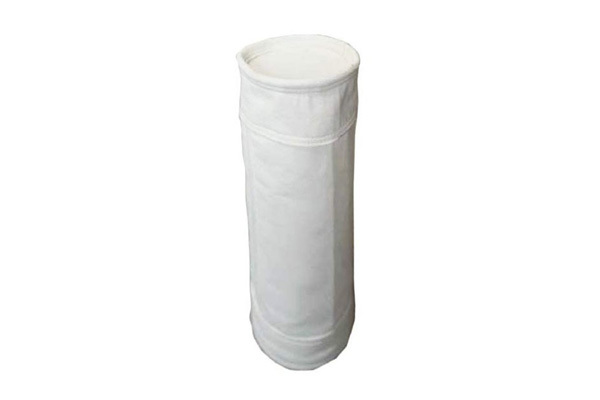
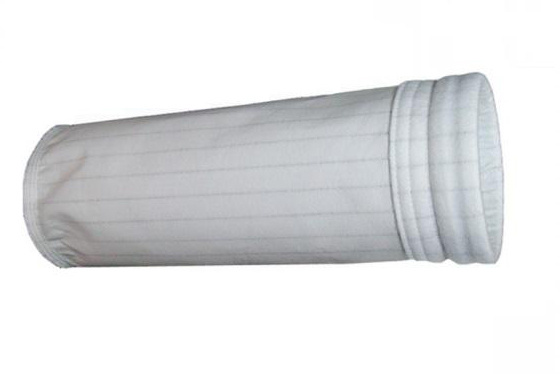
Filter cartridges are designed to trap particles such as dust, dirt, and pollutants, which can cause wear and tear on equipment. The materials used in manufacturing these cartridges can vary widely, including cellulose, synthetic fibers, and activated carbon. Each material has distinct properties and applications; for instance, cellulose is often used in applications requiring high dirt-holding capacity, while activated carbon excels in odor and volatile organic compound (VOC) removal.
When selecting an industrial filter cartridge, professionals must consider several critical factors. The first is the filtration efficiency, which is typically expressed in terms of particle size retention. The higher the efficiency, the smaller the particles it can capture. Additionally, the flow rate is essential, as it determines how quickly the system can operate without clogging. It's also crucial to evaluate the saturation point of the filter, which indicates when it needs replacement; using a filter beyond its saturation point can lead to reduced efficiency and potential system failure.
Maintenance of filter cartridges is another aspect that should not be overlooked. Regular monitoring of pressure differentials across the filter can provide insights into its operational condition. A significant increase in pressure drop can indicate that the filter is nearing its capacity and may need replacement. Implementing a predictive maintenance strategy, including scheduled inspections and replacements, can help mitigate downtime and enhance productivity.
Moreover, compliance with regulatory standards is a critical consideration. Many industries are subject to stringent environmental regulations that dictate the quality of emissions and effluents. Using high-quality filter cartridges ensures that companies meet these standards, thereby avoiding potential fines and contributing to sustainable practices.
In conclusion, industrial filter cartridges are a vital component in the efficiency and reliability of industrial operations. By understanding the various types of filter cartridges, their applications, and best maintenance practices, professionals in the industrial equipment sector can make informed decisions that not only enhance equipment lifespan but also promote compliance and sustainability. Investing time in the selection and maintenance of these essential components pays dividends in the long run, underscoring their importance in any industrial application.
latest News


CONTACT
Add:No. 8 Xinyuan Road, Shizhuang Industrial Park, Funing, Jiangsu Province
Tel:+8613862107418 / +8618913761835
WhatsApp:+8613862107418/+8618913761835


