

NEWS & BLOG
Choosing the Right Dust Filter Cartridge for Your Industrial Needs: A Comprehensive Guide
Release time:
2025-03-23
Choosing the Right Dust Filter Cartridge for Your Industrial Needs When it comes to maintaining air quality in industrial settings, **dust filter cartridges** play a pivotal role. Selecting the appropriate cartridge not only ensures compliance with safety regulations but also improves operational efficiency. This article delves deep into the factors influencing the choice of dust filter cartridges
Choosing the Right Dust Filter Cartridge for Your Industrial Needs
When it comes to maintaining air quality in industrial settings, **dust filter cartridges** play a pivotal role. Selecting the appropriate cartridge not only ensures compliance with safety regulations but also improves operational efficiency. This article delves deep into the factors influencing the choice of dust filter cartridges, helping you make informed decisions that align with your industrial needs.
Table of Contents
- Understanding Dust Filter Cartridges
- Importance of Dust Filtering in Industrial Settings
- Key Factors to Consider When Choosing a Dust Filter Cartridge
- Types of Dust Filter Cartridges
- Filter Materials and Their Applications
- Filter Maintenance and Replacement
- Certifications and Compliance Standards
- Frequent Misconceptions About Dust Filter Cartridges
- Conclusion
- FAQs
Understanding Dust Filter Cartridges
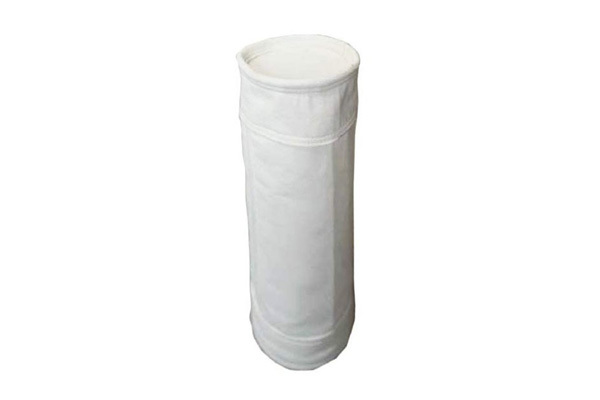
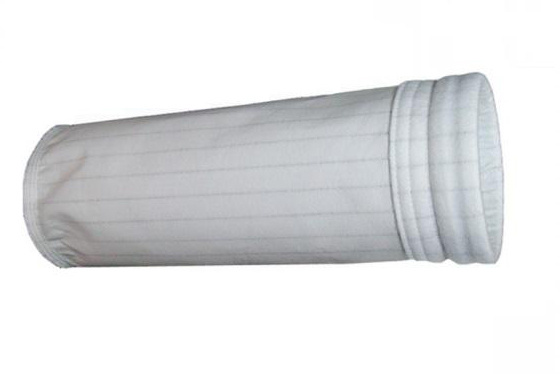
Dust filter cartridges are essential components of industrial dust collection systems. They are designed to capture airborne particles, ensuring that the air quality in work environments remains safe for employees. These cartridges are typically cylindrical and made of filter media that traps dust, smoke, and other particulates. Understanding their functionality and types will help you choose the appropriate one for your specific needs.
Importance of Dust Filtering in Industrial Settings
The significance of dust filtering in industrial environments cannot be overstated. Poor air quality can lead to a variety of health issues, both for employees and the surrounding community. Implementing an effective dust filtration system not only helps in adhering to regulatory standards but also enhances workplace productivity by minimizing respiratory issues caused by dust exposure. Additionally, clean air contributes to better equipment longevity and reduced maintenance costs.
Key Factors to Consider When Choosing a Dust Filter Cartridge
Selecting the right dust filter cartridge involves assessing several critical factors:
1. **Filtration Efficiency**
Filtration efficiency is a measure of how effectively a filter captures particles. It is crucial to choose a cartridge that meets or exceeds the required efficiency for your specific application, ensuring that minimal dust escapes back into the environment.
2. **Dust Load Capacity**
Understanding the dust load capacity of a filter cartridge is essential. High dust load scenarios require cartridges that can handle significant quantities of dust without clogging, ensuring consistent airflow and performance.
3. **Airflow Requirements**
Each industrial application has different airflow requirements. Selecting a cartridge that accommodates your system’s airflow is vital for maintaining optimal performance.
4. **Compatibility with Existing Equipment**
Ensure the chosen filter cartridge is compatible with your existing dust collection system. Compatibility will affect the efficiency of filtration and system performance.
5. **Environmental Conditions**
The environment in which the dust filter cartridge will operate—such as temperature and humidity levels—can greatly influence the performance of the cartridge.
6. **Cost Considerations**
While it may be tempting to opt for the cheapest option available, consider the long-term costs associated with filter replacements, maintenance, and potential health impacts.
Types of Dust Filter Cartridges
There are various types of dust filter cartridges available, each designed for specific applications. Here are some common types:
1. **Pleated Filter Cartridges**
Pleated filter cartridges have a larger surface area, allowing them to capture more dust and extend the time between replacements. They are suitable for a variety of applications, including woodworking, metalworking, and pharmaceutical industries.
2. **HEPA Filters**
High-Efficiency Particulate Air (HEPA) filters are designed to capture 99.97% of particles as small as 0.3 microns. These filters are ideal for environments requiring stringent air quality standards, such as medical facilities and clean rooms.
3. **Activated Carbon Filters**
Activated carbon filters are designed to absorb odors and volatile organic compounds (VOCs). They are commonly used in environments where chemical fumes are present, such as painting operations and chemical processing plants.
4. **Metal Mesh Filters**
Metal mesh filters are durable and reusable, making them suitable for high-temperature applications. They are often used in industries such as food processing and metal fabrication.
Filter Materials and Their Applications
The material of the dust filter cartridge significantly impacts its performance and suitability for specific applications. Common filter materials include:
1. **Polyester**
Polyester filters are highly durable and resistant to moisture, making them suitable for a variety of applications, including woodworking and general manufacturing.
2. **Cellulose**
Cellulose filters are economical and effective for general dust collection applications. However, they may not perform well in high-humidity environments.
3. **PTFE (Polytetrafluoroethylene)**
PTFE filters offer superior resistance to chemicals and high temperatures, making them suitable for industries such as pharmaceuticals and food processing.
Filter Maintenance and Replacement
Maintaining and replacing dust filter cartridges is crucial for ensuring optimal performance. Regular inspections and cleaning can extend the life of the cartridges and maintain efficiency. Many filters come with indicators to inform you when replacement is needed.
1. **Signs that a Filter Needs Replacement**
Signs may include reduced airflow, increased pressure drop, or visible dust buildup on the filter surface.
2. **Cleaning Techniques**
For some types of filters, cleaning can be an option. This may involve backwashing or using compressed air to remove dust. However, not all filters are designed for cleaning, so always check manufacturer recommendations.
Certifications and Compliance Standards
When selecting dust filter cartridges, it is vital to consider certifications and compliance with industry standards. Look for filters that meet key standards such as:
1. **ISO 16890**
This standard evaluates the performance of air filters used in general ventilation, ensuring they meet specific efficiency and quality criteria.
2. **ASHRAE Standards**
The American Society of Heating, Refrigerating and Air-Conditioning Engineers (ASHRAE) provides guidelines for the performance of air filters, including HEPA filters.
Frequent Misconceptions About Dust Filter Cartridges
Many misconceptions surround dust filter cartridges that can lead to poor decision-making. Here are a few clarifications:
1. **"All filters are the same."**
This is false. Different filters are designed for specific applications and conditions. Choosing the right one is crucial for effective dust control.
2. **"Higher efficiency means a higher cost."**
While some high-efficiency filters may have a higher initial cost, they often result in savings over time through reduced maintenance and improved air quality.
3. **"Filters don’t need to be replaced often."**
Neglecting to replace filters can lead to reduced air quality and increased operational costs. Regular maintenance is essential.
Conclusion
Choosing the right dust filter cartridge for your industrial needs is a critical decision that impacts air quality, worker safety, and operational efficiency. By considering factors like filtration efficiency, dust load capacity, and environmental conditions, you can select a cartridge that meets your specific requirements. Additionally, understanding the different types of filters and their materials will aid in making an informed choice. Regular maintenance and adherence to compliance standards further enhance the effectiveness of your dust collection system.
FAQs
1. What is the average lifespan of a dust filter cartridge?
The lifespan of a dust filter cartridge can vary widely based on application and usage, ranging from a few months to several years. Regular monitoring and maintenance are essential.
2. How do I know when to replace my dust filter cartridge?
Indicators of when to replace a filter include reduced airflow, increased pressure drop, and visible dust accumulation on the filter.
3. Are HEPA filters necessary for all industrial applications?
Not all applications require HEPA filters. They are essential in environments with stringent air quality requirements, such as hospitals or clean rooms.
4. Can I clean and reuse my dust filter cartridge?
Some filters can be cleaned and reused, while others are designed for single-use only. Always refer to the manufacturer's guidelines.
5. What are the common materials used in dust filter cartridges?
Common materials include polyester, cellulose, activated carbon, and PTFE, each serving different applications based on their characteristics and performance.
latest News


CONTACT
Add:No. 8 Xinyuan Road, Shizhuang Industrial Park, Funing, Jiangsu Province
Tel:+8613862107418 / +8618913761835
WhatsApp:+8613862107418/+8618913761835


