

NEWS & BLOG
How Bag Filters Enhance Efficiency in Industrial Filtration Systems
Release time:
2025-03-19
How Bag Filters Enhance Efficiency in Industrial Filtration Systems Introduction to Industrial Filtration Systems In today's industrial landscape, the efficient management of air and liquid quality is paramount. Industries ranging from manufacturing to food processing require robust filtration systems to maintain operational efficiency and comply with environmental regulations. Among the various
How Bag Filters Enhance Efficiency in Industrial Filtration Systems
Introduction to Industrial Filtration Systems
In today's industrial landscape, the efficient management of air and liquid quality is paramount. Industries ranging from manufacturing to food processing require robust filtration systems to maintain operational efficiency and comply with environmental regulations. Among the various filtration solutions available, **bag filters** have emerged as one of the most effective options for enhancing system performance.
Understanding Bag Filters: A Brief Overview
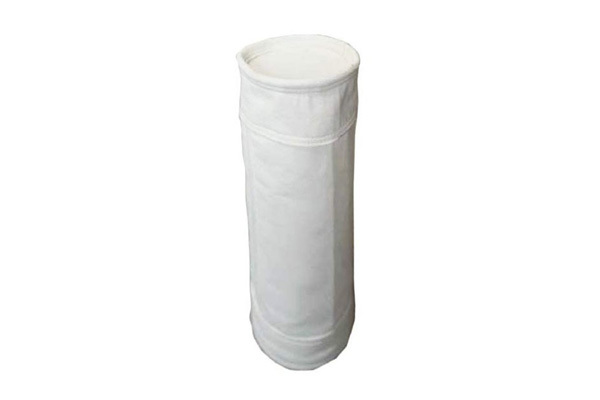
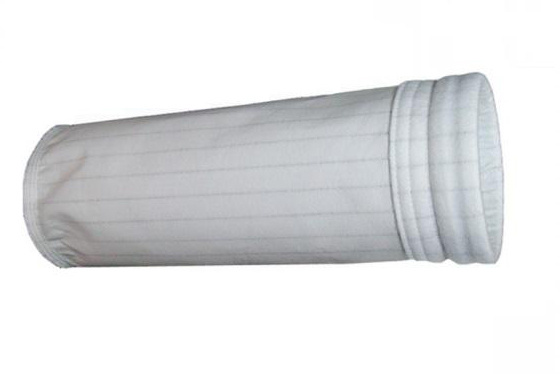
Bag filters are designed to trap particles and contaminants from liquids and gases in industrial applications. These filters consist of a fabric bag that captures unwanted materials as air or liquid passes through it. The **filter media** can vary in material and design, providing flexibility for different filtration needs.
Types of Bag Filters
There are several types of bag filters, each with unique features and applications:
1. Duplex Bag Filters
Duplex bag filters are equipped with two filter bags, allowing for continuous operation. While one bag is in use, the other can be cleaned or replaced, minimizing downtime.
2. Automated Bag Filters
These filters include automated cleaning systems, ensuring optimal performance without manual intervention. They are ideal for high-demand environments where efficiency is critical.
3. High-Temperature Bag Filters
Designed to withstand extreme temperatures, these filters are suitable for industries like petrochemicals and power generation, where high temperatures are a norm.
The Mechanisms Behind Bag Filters
Bag filters operate on a simple yet effective principle. As air or liquid flows through the filter, contaminants are trapped in the **filter media**, allowing only clean fluid to pass through. This process involves several mechanisms, including:
1. Mechanical Filtration
Particles larger than the pore size of the filter media are physically blocked. This is the primary method of filtration in bag filters.
2. Depth Filtration
This occurs when smaller particles penetrate the filter media and are captured within its structure rather than just on the surface.
3. Cake Filtration
As particles accumulate on the filter's surface, a "cake" forms, which can enhance filtration efficiency by capturing even smaller particles.
Benefits of Using Bag Filters in Industrial Applications
Implementing bag filters in industrial filtration systems offers numerous advantages, including:
1. Enhanced Efficiency
Bag filters significantly improve the removal of contaminants from air and liquids, leading to cleaner outputs and more efficient processes.
2. Cost-Effectiveness
By reducing maintenance costs and prolonging the life of machinery, bag filters contribute to overall cost savings in operations.
3. Customization Options
Bag filters are available in various sizes, materials, and designs, allowing for tailored solutions that meet specific industrial needs.
4. Easy Maintenance and Replacement
The design of bag filters facilitates easy maintenance and quick replacement, minimizing downtime and enhancing productivity.
Bag Filter Applications Across Industries
Bag filters find applications in a wide range of industries:
1. Food and Beverage Industry
In this sector, bag filters are essential for ensuring the purity of liquids, such as juices and beer, by removing sediments and other contaminants.
2. Pharmaceutical Industry
Pharmaceutical manufacturers rely on bag filters for sterile processes, ensuring that products are free from particulate contamination.
3. Chemical Processing
In chemical manufacturing, bag filters help maintain the quality of raw materials and prevent equipment fouling, enhancing operational efficiency.
4. Water Treatment
Bag filters are widely used in municipal and industrial water treatment facilities to remove suspended solids, ensuring clean water supply.
Optimizing Filtration Systems with Bag Filters
To maximize the benefits of bag filters in industrial filtration systems, consider the following optimization strategies:
1. Proper Selection of Filter Media
Choosing the right material and pore size for the bag filter is crucial. Analyze the specific contaminants and flow rates to select the most suitable filter media.
2. Regular Maintenance and Monitoring
Implement a routine maintenance schedule to check for clogs and wear. Monitoring performance metrics can help identify when filters need replacement, ensuring consistent operation.
3. Integration with Existing Systems
Ensure that bag filters can be seamlessly integrated into current filtration systems without compromising the overall process flow.
4. Employee Training
Training staff on the operation and maintenance of bag filters is vital for achieving optimal performance and longevity.
Challenges and Solutions in Bag Filtration
While bag filters are effective, they do face certain challenges:
1. Clogging and Bypass Issues
Over time, filters can become clogged, leading to bypass situations where unfiltered materials escape. Implementing pre-filtration systems can help mitigate this issue.
2. Quality of Bag Filter Media
Not all bag filters are created equal. Investing in high-quality filter media will reduce the frequency of replacements and improve overall performance.
3. Environmental Considerations
Waste disposal of used filter bags must comply with environmental standards. Opting for recyclable or biodegradable materials can alleviate this challenge.
Future Trends in Bag Filtration Systems
As industries evolve, so do filtration technologies. Some future trends include:
1. Smart Filtration Systems
The integration of IoT technology to monitor filter performance in real-time is becoming increasingly common, enabling proactive maintenance and efficiency optimization.
2. Advanced Materials
Research into innovative filter media, such as nanofibers, promises to enhance filtration efficiency while reducing energy consumption.
3. Sustainability Initiatives
With a focus on sustainability, industries are increasingly seeking eco-friendly filtration solutions that minimize environmental impact.
Frequently Asked Questions (FAQs)
1. What are the main advantages of using bag filters over other filtration methods?
Bag filters provide efficient contaminant removal, ease of maintenance, and a cost-effective solution for various industrial applications.
2. How often should bag filters be replaced?
Replacement frequency depends on the application and the level of contaminants. Regular monitoring is essential to determine the optimal replacement schedule.
3. Can bag filters handle high flow rates?
Yes, bag filters are designed to accommodate various flow rates, making them suitable for both low and high-demand applications.
4. What materials are commonly used for bag filter construction?
Common materials include polyester, polypropylene, and nylon, each chosen based on the specific filtration requirements and operational conditions.
5. Are bag filters environmentally friendly?
Many manufacturers are producing recyclable or biodegradable filter bags, contributing to more sustainable filtration practices.
Conclusion
Bag filters play a critical role in enhancing the efficiency of industrial filtration systems. Their unique mechanisms, diverse applications, and numerous benefits make them indispensable in various sectors. By optimizing filtration processes through proper selection, regular maintenance, and embracing future trends, industries can achieve significant improvements in productivity and environmental compliance. Investing in quality bag filters not only drives operational efficiency but also contributes to a more sustainable future.
latest News


CONTACT
Add:No. 8 Xinyuan Road, Shizhuang Industrial Park, Funing, Jiangsu Province
Tel:+8613862107418 / +8618913761835
WhatsApp:+8613862107418/+8618913761835


