

NEWS & BLOG
Essential Considerations When Choosing a Bag Filter for Your Industrial Needs
Release time:
2025-03-17
Essential Considerations When Choosing a Bag Filter for Your Industrial Needs Table of Contents 1. Understanding Bag Filters 2. The Importance of Bag Filters in Industrial Applications 3. Key Factors to Consider When Choosing Bag Filters 3.1 Filter Materials 3.2 Design and Construction of Bag Filters 3.3 Filtration Efficie
Essential Considerations When Choosing a Bag Filter for Your Industrial Needs
Table of Contents
- 1. Understanding Bag Filters
- 2. The Importance of Bag Filters in Industrial Applications
- 3. Key Factors to Consider When Choosing Bag Filters
- 3.1 Filter Materials
- 3.2 Design and Construction of Bag Filters
- 3.3 Filtration Efficiency
- 3.4 Flow Rate Capacity
- 3.5 Maintenance and Replacement
- 3.6 Cost-Effectiveness
- 4. Conclusion
- 5. Frequently Asked Questions
1. Understanding Bag Filters
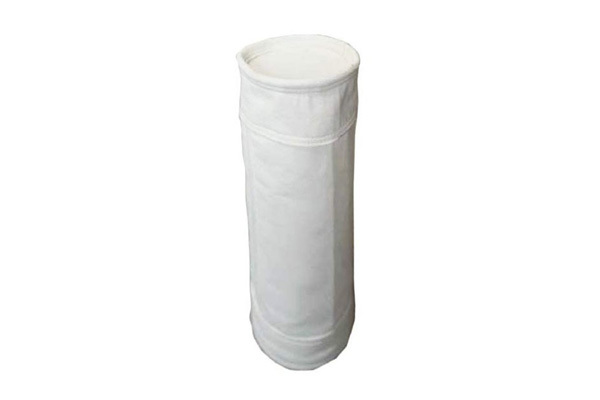
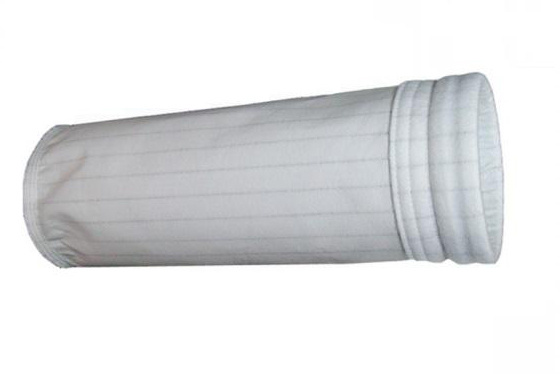
Bag filters are an integral part of various industrial processes, serving as a vital solution for separating solids from liquids or gases. They utilize a simple yet effective filtration method where the fluid flows through a bag made of filter material, which traps contaminants while allowing clean fluid to pass through. These devices can be found in a variety of industries including water treatment, food and beverage production, chemical processing, and many more. Understanding the basic functionality and design of bag filters is essential before diving into the selection process.
2. The Importance of Bag Filters in Industrial Applications
In industrial settings, maintaining the purity of fluids and preventing fouling of equipment is crucial. Bag filters play a significant role in optimizing process efficiency, extending the lifespan of machinery, and ensuring product quality. They can effectively capture particles ranging from large debris to sub-micron contaminants, depending on the filter material and configuration. Furthermore, implementing an appropriate filtration system can lead to reduced downtime, lower maintenance costs, and improved operational performance.
3. Key Factors to Consider When Choosing Bag Filters
When selecting a bag filter, several critical factors must be taken into account to ensure optimal performance and cost-effectiveness. Below, we delve deeper into each essential consideration.
3.1 Filter Materials
The choice of filter material significantly influences the efficiency and effectiveness of a bag filter. Common materials include polyester, polypropylene, nylon, and more specialized options such as Teflon and stainless steel. Each material offers distinct advantages in terms of chemical resistance, temperature tolerance, and filtration capabilities. For example, polyester bags are widely used due to their versatility and ability to handle a variety of substances, while Teflon is ideal for aggressive chemicals. Assessing the compatibility of filter materials with the specific fluids being filtered is crucial to avoid degrading the filter and compromising performance.
3.2 Design and Construction of Bag Filters
The design and construction of bag filters affect their durability, efficiency, and ease of maintenance. Factors such as the shape of the bag (flat or round), the type of sealing, and the configuration of the housing all contribute to the overall performance. A well-constructed bag filter should facilitate easy replacement and minimize the risk of leaks or bypass. Additionally, consider whether you need single or multi-bag filters based on your operational scale and flow requirements.
3.3 Filtration Efficiency
Filtration efficiency is a measure of how effectively a bag filter captures contaminants compared to the total amount of fluid processed. This metric is often represented as a percentage, with higher values indicating better performance. To evaluate filtration efficiency, consider the micron rating of the filter, which indicates the size of particles it can effectively capture. For industries such as pharmaceuticals, where precision is paramount, investing in filters with higher efficiency ratings is essential.
3.4 Flow Rate Capacity
Flow rate capacity refers to the volume of fluid a bag filter can process over a specific time frame. This factor is critical in determining how well the filter will meet the demands of your industrial application. It is essential to match the flow rate of the filter with the operational requirements to ensure efficient processing without overloading the filter. Factors influencing flow rate include the size of the filter bag, the viscosity of the fluid, and the pressure drop across the filter.
3.5 Maintenance and Replacement
The maintenance requirements of bag filters can vary significantly based on design and usage. Regular monitoring and timely replacement of filter bags are essential to prevent clogging and ensure optimal performance. Some filters come with features that facilitate easy cleaning or bag replacement, thus minimizing downtime. Understanding the maintenance schedule and the ease of performing maintenance tasks should be an integral part of your selection process.
3.6 Cost-Effectiveness
While the initial cost of bag filters can vary widely based on material and design, evaluating their total cost of ownership is critical. This assessment should include not only the purchase price but also the costs associated with maintenance, replacement, and operational efficiency over time. Investing in high-quality bag filters may yield higher upfront costs but can lead to substantial savings by reducing downtime and maintenance frequency.
4. Conclusion
Choosing the right bag filter for your industrial needs is a multifaceted decision that requires careful consideration of various factors including filter materials, design, efficiency, flow rate, maintenance, and overall cost-effectiveness. By thoroughly assessing these aspects, you can ensure that the selected bag filter not only meets your immediate requirements but also contributes to the long-term efficiency and reliability of your operations. Taking the time to make an informed decision will ultimately safeguard your processes and enhance the quality of your products.
5. Frequently Asked Questions
What is the typical lifespan of a bag filter?
The lifespan of a bag filter depends on the specific application, the type of filter material, and the conditions under which it operates. Generally, filters can last anywhere from a few weeks to several months, but regular monitoring and timely replacement are essential to maintain optimal performance.
How do I determine the right size bag filter for my needs?
The right size bag filter is determined by your flow rate requirements, the viscosity of the fluid being filtered, and the available space for installation. It’s important to consult manufacturer specifications and guidelines to select a size that meets your operational demands.
Can I use bag filters for both liquid and gas applications?
Yes, bag filters can be designed for both liquid and gas applications. However, the selection of filter materials and designs will differ based on the specific requirements of each application, such as temperature and pressure.
What are the signs that my bag filter needs to be replaced?
Common signs that indicate a bag filter needs replacement include a sudden increase in pressure drop, reduced flow rate, visible discoloration or buildup on the filter bag, and a decline in product quality. Regular monitoring will help you identify these signs early.
How can I improve the efficiency of my bag filtration system?
To enhance the efficiency of your bag filtration system, ensure that you select the appropriate filter material and design for your application, maintain a consistent monitoring schedule, and replace filter bags promptly to prevent clogging and pressure build-up.
latest News


CONTACT
Add:No. 8 Xinyuan Road, Shizhuang Industrial Park, Funing, Jiangsu Province
Tel:+8613862107418 / +8618913761835
WhatsApp:+8613862107418/+8618913761835


