

NEWS & BLOG
Understanding Baghouse Filter Bags: Key Components for Effective Air Filtration
Release time:
2025-03-16
--- Baghouse filter bags are critical components in industrial air filtration systems designed to capture and remove particulate matter from exhaust gases and air streams. These specialized filter bags are widely used in various industries, including manufacturing, mining, and waste management, where dust and particulate emissions are a concern. Understanding the function and features of baghouse
---
Baghouse filter bags are critical components in industrial air filtration systems designed to capture and remove particulate matter from exhaust gases and air streams. These specialized filter bags are widely used in various industries, including manufacturing, mining, and waste management, where dust and particulate emissions are a concern. Understanding the function and features of baghouse filter bags can significantly enhance operational efficiency and compliance with environmental regulations.
At their core, baghouse filter bags are made from various materials, each selected for specific applications and operational conditions. Common materials include polyester, polypropylene, and fiberglass, which are chosen based on factors such as temperature resistance, chemical compatibility, and the size of particles being filtered. Polyester bags are often used for general-purpose filtration, while fiberglass bags can handle higher temperatures and more aggressive environments.
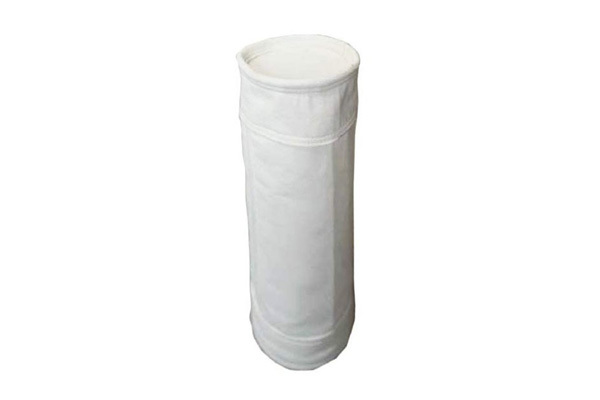
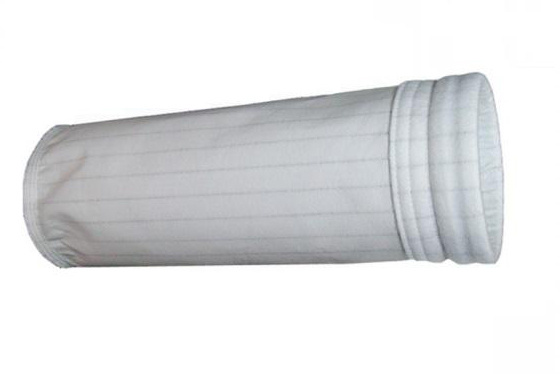
The design of baghouse filter bags also plays a crucial role in their performance. These bags are typically cylindrical and housed within a baghouse, where they are subjected to airflow that carries dust and particulates. As air passes through the filter bags, contaminants are trapped on the surface, allowing clean air to flow through. Over time, however, these bags can become clogged with dust, reducing efficiency and necessitating regular maintenance and replacement.
Effective maintenance of baghouse filter bags is essential to ensure optimal performance. This includes regular inspection for wear and tear, cleaning to remove accumulated dust, and timely replacement when necessary. Some baghouses are equipped with automated cleaning systems, such as pulse-jet or shaker mechanisms, that periodically clean the bags to maintain airflow and efficiency. Implementing a robust maintenance schedule is crucial for extending the lifespan of the filter bags and ensuring compliance with air quality standards.
Selecting the right baghouse filter bags is also vital for achieving desired filtration efficiency. Factors to consider include the type of dust being filtered, the operational environment, and specific regulatory requirements. Collaborating with filtration specialists can provide insights into the best materials and designs for your particular application, ensuring that your filtration system operates effectively and efficiently.
In conclusion, baghouse filter bags are indispensable in maintaining air quality in industrial settings. Their material composition, design, and maintenance practices are all key elements that contribute to efficient air filtration. By understanding these factors, businesses can make informed decisions that enhance their operational practices while ensuring compliance with environmental regulations. Investing in quality baghouse filter bags not only improves air quality but also promotes a healthier working environment for employees.
latest News


CONTACT
Add:No. 8 Xinyuan Road, Shizhuang Industrial Park, Funing, Jiangsu Province
Tel:+8613862107418 / +8618913761835
WhatsApp:+8613862107418/+8618913761835


