

NEWS & BLOG
Understanding the Regulations Surrounding Baghouse Filter Bags: A Comprehensive Guide
Release time:
2025-03-15
Understanding the Regulations Surrounding Baghouse Filter Bags Table of Contents What Are Baghouse Filter Bags? The Importance of Baghouse Filter Bags in Industrial Applications Regulatory Framework for Baghouse Filter Bags Key Environmental Regulations Impacting Baghouse Filter Bags Industry Standards and Compliance for Baghouse Filter Bags Choosing the Ri
Understanding the Regulations Surrounding Baghouse Filter Bags
Table of Contents
- What Are Baghouse Filter Bags?
- The Importance of Baghouse Filter Bags in Industrial Applications
- Regulatory Framework for Baghouse Filter Bags
- Key Environmental Regulations Impacting Baghouse Filter Bags
- Industry Standards and Compliance for Baghouse Filter Bags
- Choosing the Right Filter Bag: Compliance and Performance
- Maintenance and Monitoring of Baghouse Filter Bags
- Future Trends in Regulations and Technologies for Baghouse Filter Bags
- Frequently Asked Questions
What Are Baghouse Filter Bags?
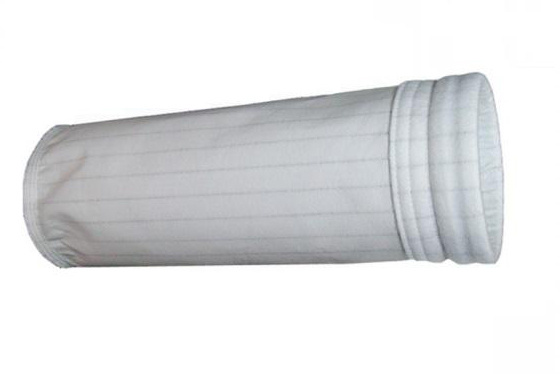
Baghouse filter bags are essential components of dust collection systems, primarily utilized in industrial facilities. These bags are designed to trap particulate matter from exhaust gases, ensuring cleaner air release into the environment. Made from various materials, including woven fabrics and non-woven fibrous materials, baghouse filter bags come in various shapes and sizes tailored to specific applications. Their efficiency in removing pollutants not only helps organizations meet regulatory standards but also enhances overall workplace safety.
The Importance of Baghouse Filter Bags in Industrial Applications
In industrial settings, the significance of baghouse filter bags cannot be overstated. They play a critical role in controlling air pollution, adhering to environmental regulations, and promoting workplace safety. By effectively capturing dust, smoke, and other hazardous particles, these filter bags protect both employees and the surrounding community from harmful exposure. Furthermore, maintaining air quality is crucial for companies to avoid hefty fines and legal repercussions associated with non-compliance.
Regulatory Framework for Baghouse Filter Bags
The regulatory landscape surrounding baghouse filter bags is multifaceted, encompassing federal, state, and local regulations. In the United States, the Environmental Protection Agency (EPA) establishes guidelines aimed at reducing air pollution. Compliance with these regulations often necessitates the use of efficient filtration systems that include high-quality baghouse filter bags. Understanding the nuances of these regulations is essential for industrial operators.
Federal Regulations
Federal regulations, particularly those set by the EPA, require industries to implement measures that minimize air pollution emissions. The Clean Air Act is a pivotal piece of legislation that requires industries to obtain permits that dictate acceptable emission levels. In this context, baghouse filter bags serve as a vital component of compliance strategies, ensuring that emissions do not exceed allowable limits.
State and Local Regulations
In addition to federal regulations, state and local agencies may impose more stringent requirements. These regulations can vary significantly depending on geographic location and the type of industry. Companies must stay informed about regional standards to ensure compliance, which often involves selecting appropriate filtration technologies and monitoring emissions closely.
Key Environmental Regulations Impacting Baghouse Filter Bags
Various environmental regulations specifically impact the use and performance of baghouse filter bags. These regulations are often aimed at reducing particulate matter emissions and ensuring clean air standards. Here are a few key regulations to consider:
National Ambient Air Quality Standards (NAAQS)
The NAAQS, established under the Clean Air Act, set acceptable limits for air pollutants. Industries must utilize effective filtration systems, including baghouse filters, to comply with these standards and ensure that emissions do not exceed permissible levels.
New Source Performance Standards (NSPS)
The NSPS outlines performance standards for new industrial sources, mandating the implementation of technologies that effectively reduce emissions. Baghouse filter bags are often integral to meeting these standards, as they significantly enhance particulate matter capture rates.
Maximum Achievable Control Technology (MACT) Standards
MACT standards apply to existing sources of hazardous air pollutants. The regulations require industries to implement technologies that achieve the highest level of emissions control. Baghouse filter bags, known for their efficiency, are often a preferred choice in achieving compliance with MACT standards.
Industry Standards and Compliance for Baghouse Filter Bags
In addition to regulatory requirements, various industry standards govern the selection and performance of baghouse filter bags. These standards often provide guidelines for performance metrics, material selection, and testing procedures.
American National Standards Institute (ANSI) Standards
The ANSI has established standards that serve as benchmarks for air pollution control technologies, including baghouse filter bags. Companies must adhere to these standards to ensure that their filtration systems are effective and compliant.
Institute of Clean Air Companies (ICAC) Guidelines
The ICAC publishes guidelines aimed at promoting best practices in air quality control. These guidelines emphasize the importance of selecting quality baghouse filter bags that meet specific performance criteria, ultimately aiding in compliance efforts.
Choosing the Right Filter Bag: Compliance and Performance
Selecting the appropriate baghouse filter bag is crucial for ensuring compliance and achieving optimal performance. Several factors must be considered during the decision-making process:
Material Selection
The choice of material for baghouse filter bags significantly impacts their performance. Common materials include polyester, polypropylene, and fiberglass. Each material has unique properties that influence filtration efficiency, temperature resistance, and chemical compatibility. Understanding these properties is essential for selecting the right filter bag for specific applications.
Bag Design
Different bag designs, such as sleeve or flat bags, can impact airflow and dust capture efficiency. Evaluating the design based on the specific dust characteristics and the design of the baghouse system is vital for achieving optimal performance.
Filtration Efficiency
The filtration efficiency of baghouse filter bags is a critical metric for compliance. Manufacturers often provide data on the efficiency of their products, detailing how well they capture particulates. It’s essential to choose bags that exceed the minimum efficiency standards set by regulatory agencies.
Maintenance and Monitoring of Baghouse Filter Bags
Regular maintenance and monitoring of baghouse filter bags are crucial for maintaining compliance and ensuring ongoing performance. Here are some best practices:
Regular Inspections
Conducting routine inspections of the baghouse system helps identify potential issues before they escalate. This includes checking for wear and tear on filter bags, ensuring proper sealing, and monitoring for leaks.
Cleaning Protocols
Implementing effective cleaning protocols, such as pulse jet cleaning or shaker systems, is essential for maintaining bag performance. Regular cleaning helps remove accumulated dust, preventing bag clogging and ensuring optimal airflow.
Monitoring Emission Levels
Continuous monitoring of emission levels is vital for compliance. Utilizing advanced monitoring technologies allows companies to maintain real-time data on emissions, quickly identifying any deviations from regulatory standards.
Future Trends in Regulations and Technologies for Baghouse Filter Bags
As environmental concerns continue to grow, regulations surrounding baghouse filter bags are expected to evolve. Industry professionals must stay abreast of emerging trends, including:
Stricter Emission Standards
Anticipate more stringent emission standards aimed at further reducing air pollution. This may necessitate innovations in baghouse filter technology and materials, ensuring that filtration systems can meet evolving compliance requirements.
Advancements in Filtration Technologies
Technological advancements are paving the way for more efficient filtration solutions. Innovations in nanofiber technology, for instance, are enhancing the performance of filter bags, allowing for smaller particle capture and longer service life.
Frequently Asked Questions
What materials are commonly used for baghouse filter bags?
Common materials include polyester, polypropylene, fiberglass, and aramid. Each material has specific properties that make it suitable for different applications and environments.
How often should baghouse filter bags be replaced?
Replacement intervals vary based on the dust load, type of filter bag material, and operational conditions. Regular inspections will help determine the optimal replacement schedule.
What is the typical lifespan of baghouse filter bags?
The lifespan can range from 1 to 5 years, depending on factors like operational conditions, dust load, and maintenance practices.
Are there specific regulations for baghouse filter bags in my area?
Yes, regulations can vary by location. It’s essential to consult local environmental agencies and industry standards to ensure compliance.
How do I choose the right baghouse filter bag for my application?
Consider factors like dust type, filtration efficiency, material properties, and the specific requirements of your baghouse system when selecting a filter bag.
Conclusion
Understanding the regulations surrounding baghouse filter bags is crucial for ensuring compliance and maintaining air quality in industrial settings. By navigating the complex regulatory landscape, adhering to environmental standards, and choosing the right filter bag with effective cleaning and maintenance practices, industries can significantly reduce emissions and protect both human health and the environment. Staying informed about future trends and technological advancements will further empower organizations to meet evolving challenges and enhance their operational efficiency. Embracing best practices in baghouse filtration not only ensures compliance but also contributes to a sustainable future.
latest News



CONTACT
Add:No. 8 Xinyuan Road, Shizhuang Industrial Park, Funing, Jiangsu Province
Tel:+8613862107418 / +8618913761835
WhatsApp:+8613862107418/+8618913761835


