

NEWS & BLOG
How to Train Your Team on Baghouse Filter Bag Maintenance: A Comprehensive Guide
Release time:
2025-03-13
How to Train Your Team on Baghouse Filter Bag Maintenance Table of Contents Understanding Baghouse Filters: The Basics The Importance of Filter Bag Maintenance Key Components of Baghouse Systems Developing a Training Program for Maintenance Hands-On Training Techniques for Filter Maintenance Safety Protocols During Maintenance Creating a Scheduled Maintenance Plan
How to Train Your Team on Baghouse Filter Bag Maintenance
Table of Contents
- Understanding Baghouse Filters: The Basics
- The Importance of Filter Bag Maintenance
- Key Components of Baghouse Systems
- Developing a Training Program for Maintenance
- Hands-On Training Techniques for Filter Maintenance
- Safety Protocols During Maintenance
- Creating a Scheduled Maintenance Plan
- Measuring Success and Performance in Maintenance
- Frequently Asked Questions (FAQs)
- Conclusion
Understanding Baghouse Filters: The Basics
Baghouse filters are critical components in industrial settings, designed to capture and filter out harmful particulates from exhaust gases. They operate by forcing air through a series of fabric filter bags, which trap dust and other airborne contaminants. The primary function of baghouse filters is to improve air quality and comply with environmental regulations, making them indispensable in industries such as cement, woodworking, and metal fabrication.
How Baghouse Systems Operate
The operation of a baghouse involves several processes, from the initial dust-laden air entering the system to the filtered air being released back into the environment. Understanding these processes is crucial for effective maintenance training. Key operational stages include:
1. **Dust Collection**: As air passes through the filter bags, particulates adhere to the fabric, forming a dust cake that enhances the filter's efficiency.
2. **Pulse Jet Cleaning**: Periodically, a pulse of compressed air is released, dislodging the accumulated dust from the bags, which then falls into a hopper for disposal.
3. **Airflow Regulation**: Maintaining consistent airflow is essential for optimal performance, which requires regular monitoring and adjustments.
The Importance of Filter Bag Maintenance
Proper maintenance of filter bags is essential for several reasons:
- **Enhanced Performance**: Well-maintained filter bags operate at peak efficiency, ensuring that particulate matter is effectively captured.
- **Cost Savings**: Regular maintenance prevents costly breakdowns and extends the lifespan of filter bags, reducing the frequency of replacements.
- **Regulatory Compliance**: Industries are required to meet strict air quality standards. Proper maintenance helps avoid fines and penalties associated with non-compliance.
Common Issues Caused by Poor Maintenance
Neglecting maintenance can lead to various problems, including:
- **Increased Pressure Drop**: Clogged bags restrict airflow, leading to higher operational costs and reduced efficiency.
- **Bag Failure**: Damaged or worn-out bags can lead to leaks, allowing pollutants to escape into the environment.
- **System Downtime**: Unscheduled breakdowns due to poor maintenance can disrupt production, leading to significant financial losses.
Key Components of Baghouse Systems
To train your team effectively, it’s essential to familiarize them with the various components of a baghouse system. Each element plays a vital role in the overall functionality and maintenance of the system.
1. Filter Bags
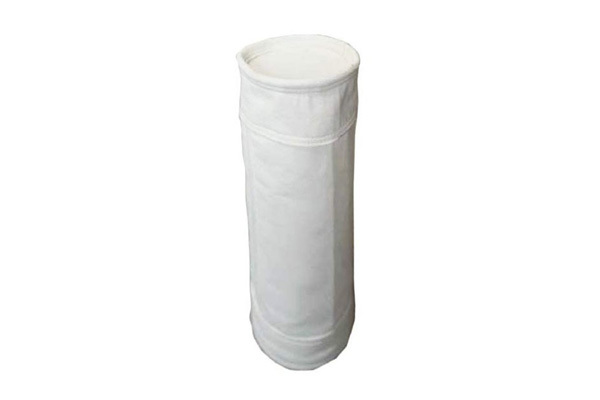
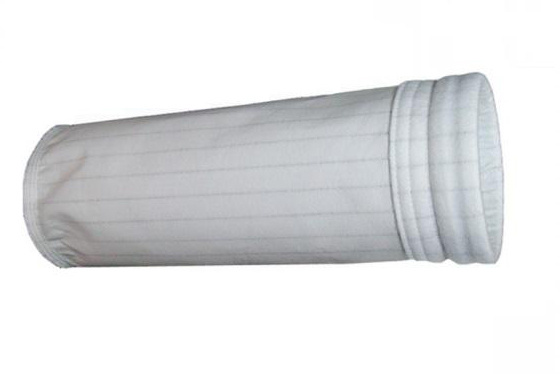
The filter bags are the heart of the baghouse system. Understanding the different materials and types of bags is critical for maintenance. Common materials include:
- **Polyester**: Commonly used for general applications.
- **Nomex**: Heat-resistant, ideal for high-temperature environments.
- **Teflon**: Extremely resistant to chemicals, used in specialized applications.
2. Cages
Filter bags are supported by metal cages, which maintain their shape during operation. Inspecting cages for damage or corrosion is vital during maintenance checks.
3. Fans and Blowers
These components are responsible for creating airflow through the system. Regular checks ensure they are functioning correctly, preventing operational inefficiencies.
4. Control Systems
Modern baghouse systems often include control systems for monitoring performance. Training your team to interpret data from these systems helps in proactive maintenance.
Developing a Training Program for Maintenance
A well-structured training program is key to equipping your team with the necessary skills for effective baghouse filter bag maintenance. The program should include the following components:
1. Introduction to Baghouse Systems
Begin with a comprehensive introduction to baghouse systems, covering their importance, components, and operational principles.
2. Maintenance Schedules
Create detailed maintenance schedules that outline when and how various maintenance tasks should be performed. This includes daily, weekly, and monthly inspections.
3. Hands-On Workshops
Conduct workshops that allow team members to perform actual maintenance tasks under supervision. This practical experience is invaluable for reinforcing theoretical knowledge.
4. Assessments and Feedback
Implement assessments to gauge understanding and retention of information. Regular feedback sessions encourage continuous improvement and address any challenges faced by team members.
Hands-On Training Techniques for Filter Maintenance
Practical training techniques are essential for ensuring that your team gains confidence in performing maintenance tasks.
1. Demonstrations
Lead demonstrations on how to inspect, clean, and replace filter bags. This visual learning aids comprehension.
2. Simulated Repairs
Set up controlled scenarios where team members can practice troubleshooting common issues, such as bag leaks or fan malfunctions.
3. Using the Right Tools
Familiarize your team with the tools necessary for maintenance tasks, including pressure gauges, vacuum cleaners, and inspection cameras.
4. Emphasizing Best Practices
Highlight best practices for maintenance, such as maintaining a clean workspace and using proper handling techniques for filter bags.
Safety Protocols During Maintenance
Safety should always be a priority when performing maintenance tasks. Establishing clear safety protocols can prevent accidents and promote a culture of safety.
1. Personal Protective Equipment (PPE)
Ensure that team members wear appropriate PPE, including gloves, masks, goggles, and hard hats, especially when handling dust and debris.
2. Lockout/Tagout Procedures
Implement lockout/tagout procedures to prevent accidental startup of machinery during maintenance work.
3. Emergency Response Plans
Develop and communicate emergency response plans. Train your team on what to do in case of accidents or equipment failures.
Creating a Scheduled Maintenance Plan
A scheduled maintenance plan is essential for ensuring the longevity and efficiency of baghouse filter systems. This plan should include:
1. Frequency of Maintenance Tasks
Outline how often different maintenance tasks should be performed, from daily inspections to annual bag replacements.
2. Documentation
Maintain detailed records of all maintenance activities, including inspections, repairs, and replacements. This documentation aids in identifying patterns and proactively addressing issues.
3. Continuous Improvement
Regularly review the maintenance plan and adjust it based on feedback, operational changes, or new technologies.
Measuring Success and Performance in Maintenance
To gauge the effectiveness of your training and maintenance efforts, establish metrics for success.
1. Key Performance Indicators (KPIs)
Identify KPIs such as reduced downtime, improved air quality measurements, and decreased replacement costs for filter bags.
2. Employee Feedback
Collect feedback from team members regarding the training and maintenance processes. Their insights can lead to meaningful improvements.
3. Regular Reviews
Schedule regular reviews of maintenance performance to assess whether goals are being met and identify areas for further training.
Frequently Asked Questions (FAQs)
1. How often should baghouse filter bags be replaced?
The frequency of replacement depends on usage intensity and the type of materials being filtered. Regular inspections can help determine when bags should be replaced.
2. What are common signs that filter bags need maintenance?
Signs include increased pressure drop, visible damage to the bags, and poor air quality measurements.
3. Can we perform maintenance during production hours?
While some tasks can be performed during production, it's advisable to schedule major maintenance tasks during downtime to minimize disruptions.
4. How can we improve the lifespan of filter bags?
Implementing regular maintenance and adhering to best practices in operation can significantly extend the lifespan of filter bags.
5. What training resources are available for our team?
Numerous industry associations and manufacturers offer training programs, manuals, and online resources tailored for baghouse filter maintenance.
Conclusion
Training your team on baghouse filter bag maintenance is a crucial investment in the efficiency, safety, and compliance of your industrial operations. By developing a structured training program that encompasses practical skills, safety protocols, and a thorough understanding of baghouse systems, you can ensure that your team is well-equipped to handle maintenance tasks effectively. With the right training, you not only improve the performance of your baghouse systems but also promote a culture of safety and accountability within your organization.
latest News


CONTACT
Add:No. 8 Xinyuan Road, Shizhuang Industrial Park, Funing, Jiangsu Province
Tel:+8613862107418 / +8618913761835
WhatsApp:+8613862107418/+8618913761835


