

NEWS & BLOG
How Dust Filter Bags for Power Plants Cope with Highly Corrosive Environments
Release time:
2026-04-01
In thermal power plants and other coal-fired power generation settings, flue gas often contains sulfur dioxide, nitrogen oxides, water vapor, and acidic particulate matter. Under specific temperature and humidity conditions, these components can easily create a highly corrosive environment, imposing stringent demands on the dust filter bags used in these facilities. Consequently, effectively mitigating the challenges posed by such highly corrosive environments is crucial for ensuring the stable operation of the dust removal system.
In thermal power plants and other coal-fired power generation settings, flue gas often contains sulfur dioxide, nitrogen oxides, water vapor, and acidic particulate matter. Under specific temperature and humidity conditions, these components can easily create a highly corrosive environment, imposing stringent demands on the dust filter bags used in these facilities. Consequently, effectively mitigating the challenges posed by such highly corrosive environments is crucial for ensuring the stable operation of the dust removal system.
I. Selecting Corrosion-Resistant Filter Media: The Foundation
In highly corrosive operating conditions, priority should be given to filter media possessing excellent chemical stability—such as PPS (polyphenylene sulfide), PTFE (polytetrafluoroethylene), or composite materials thereof. These materials exhibit superior resistance to acids and alkalis, as well as strong oxidation resistance, enabling them to operate stably over long periods within sulfur- and moisture-laden flue gas environments, thereby mitigating corrosion risks at the source.
II. Optimizing Surface Treatment Processes for Filter Bags
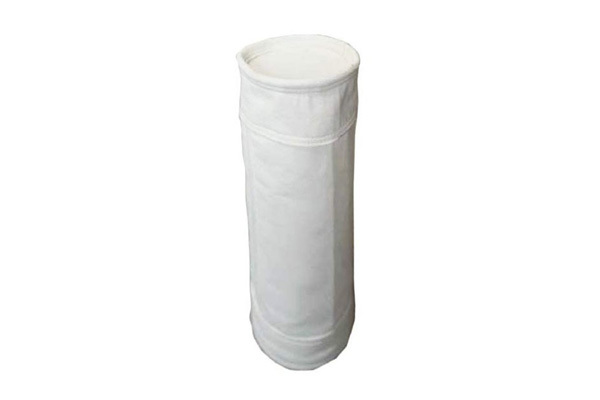
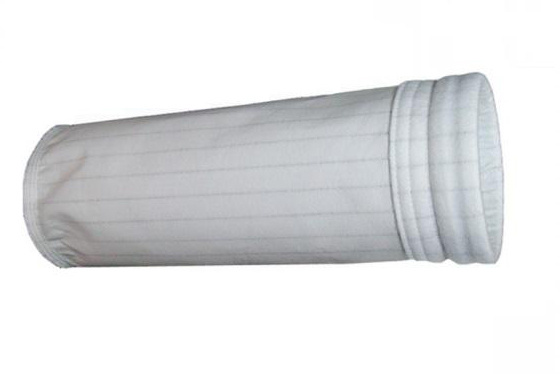
Applying surface treatments—such as lamination, impregnation, or coating—to power plant dust filter bags can further enhance their corrosion resistance. For instance, PTFE-laminated filter bags not only offer exceptional corrosion resistance but also effectively prevent dust penetration and minimize the erosive effects of condensation on the filter media. Furthermore, these surface treatments can improve the filter bags' dust-cleaning efficiency and extend their service life.

III. Controlling Operating Conditions to Prevent Condensation
When the flue gas temperature drops below its dew point, acidic liquids tend to form on the surface of the filter bags, thereby accelerating corrosion. Therefore, during actual operation, it is essential to strictly maintain the flue gas temperature above the dew point. When necessary, measures such as flue gas heating or thermal insulation should be implemented to prevent condensation, thereby eliminating the conditions conducive to corrosion.
IV. Strengthening Equipment Sealing and System Management
The airtightness of the dust removal system directly influences the ingress of external cold air; should cold air infiltrate the system, it can cause localized temperature drops that trigger condensation. Consequently, equipment seals should be inspected regularly to prevent air leakage. Simultaneously, optimizing operating parameters to ensure the system functions under stable conditions constitutes another vital measure for corrosion prevention.
V. Regular Inspection and Maintenance
Establishing a comprehensive inspection and maintenance protocol—including the periodic examination of filter bags—allows for the timely detection of issues such as corrosion or physical damage. Promptly replacing or repairing affected bags effectively prevents localized damage from compromising the overall performance of the dust removal system. Furthermore, a rational scheduling of the dust-cleaning cycle—thereby preventing filter bags from remaining under prolonged high-load conditions—also contributes to retarding the corrosion process.
Ensuring the stable operation of power plant dust filter bags within highly corrosive environments requires a concerted effort across multiple fronts, including material selection, process optimization, operating condition control, and operations and maintenance management. Only by addressing corrosion issues in a systematic manner can the dust removal system achieve efficient, long-term operation while meeting increasingly stringent environmental emission standards.
latest News

CONTACT
Add:No. 8 Xinyuan Road, Shizhuang Industrial Park, Funing, Jiangsu Province
Tel:+8613862107418 / +8618913761835
WhatsApp:+8613862107418/+8618913761835


