

NEWS & BLOG
Precautions for Using Industrial Dust Filter Bags in High Humidity Environments
Release time:
2026-03-04
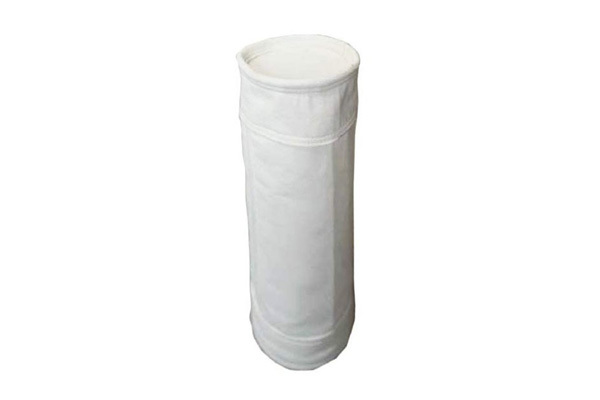
In industries such as steel smelting, waste incineration, power boilers, and chemical production, flue gas often exhibits high humidity, posing challenges to the stable operation of dust collection systems. High humidity environments easily lead to filter bags becoming damp, condensing, or even clogging, increasing operating resistance and potentially shortening filter bag lifespan. Therefore, the scientific selection and use of Industrial Dust Filter Bags is particularly important in such conditions.
In industries such as steel smelting, waste incineration, power boilers, and chemical production, flue gas often exhibits high humidity, posing challenges to the stable operation of dust collection systems. High humidity environments easily lead to filter bags becoming damp, condensing, or even clogging, increasing operating resistance and potentially shortening filter bag lifespan. Therefore, the scientific selection and use of Industrial Dust Filter Bags is particularly important in such conditions.
Material selection is crucial. High-humidity flue gas often contains acidic or corrosive components, which, when combined with moisture, easily form acid condensation, corroding the filter bag fibers. Therefore, materials with good hydrolysis resistance should be prioritized, such as polyester-coated filter media or composite filter media with waterproof and oil-proof treatments, to enhance anti-condensation capabilities and corrosion resistance. Simultaneously, PTFE coating on the filter bag surface helps reduce dust adhesion and lowers the risk of clogging.
Operating temperature control is also essential. In high-humidity environments, if the flue gas temperature is close to or below the dew point, condensation is highly likely to occur. Enterprises should ensure that the operating temperature is within a certain range above the dew point temperature by rationally designing the insulation system, optimizing the flue gas flow, or installing preheating devices to prevent condensation problems at the source. In addition, before shutting down the equipment, thorough cleaning and maintaining hot air circulation for a certain period should be performed to prevent residual moisture on the filter bag surface.
The cleaning method and frequency also need to be adjusted according to humidity conditions. At higher humidity levels, dust is more prone to adhesion; therefore, pulse jet cleaning parameters should be appropriately optimized to ensure timely cleaning of the filter bag surface and prevent dust accumulation and caking. If necessary, an online monitoring system can be used to monitor pressure difference changes in real time and dynamically adjust the cleaning cycle to maintain stable system operation.
Daily maintenance and management are equally important. Regularly inspect the appearance of the filter bags and the condition of the frame, paying attention to whether there is deformation, corrosion, or blockage, and replace damaged parts promptly. For dust removal systems operating under high humidity conditions, a more stringent inspection system and data recording mechanism should be established to provide a basis for subsequent optimization of operating parameters.
Using Industrial Dust Filter Bags in high-humidity environments requires coordinated consideration of multiple aspects, including material selection, temperature control, dust removal management, and maintenance procedures. Only by establishing systematic management and technical support measures can the filter bag life be effectively extended, ensuring the long-term stable and compliant operation of the dust removal system.
latest News


CONTACT
Add:No. 8 Xinyuan Road, Shizhuang Industrial Park, Funing, Jiangsu Province
Tel:+8613862107418 / +8618913761835
WhatsApp:+8613862107418/+8618913761835


