

NEWS & BLOG
The Practical Impact of High-Temperature Resistant Filter Bags on Improving Dust Collection Efficiency
Release time:
2026-01-14
High temperature resistant filter bags not only meet the requirements of high-temperature operating conditions in terms of temperature resistance
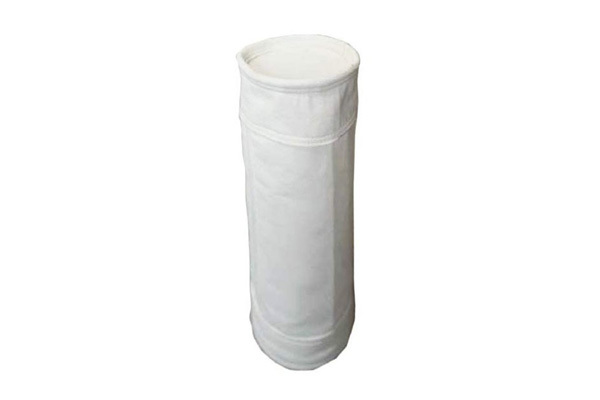
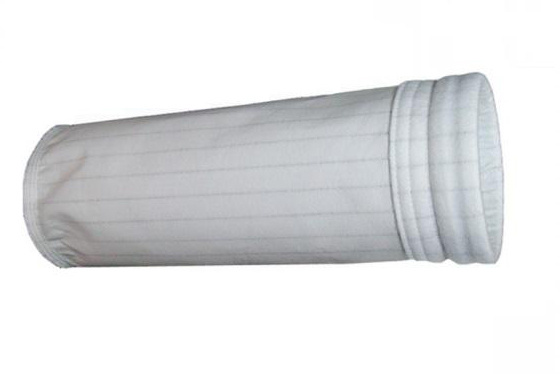
High-temperature and high-dust conditions are common in industrial production processes, such as cement, metallurgy, power generation, and waste incineration. In these environments, the performance of dust collection systems largely depends on the performance of the filter bags. High-temperature resistant filter bags, due to their stability and adaptability, are a crucial component in improving overall dust collection efficiency.
High-temperature resistant filter bags maintain structural stability under sustained high temperatures, which is fundamental to ensuring dust collection efficiency. Ordinary filter bags are prone to fiber aging, shrinkage, or strength reduction in high-temperature environments, leading to reduced filtration area or even damage, resulting in dust leakage. High-temperature resistant filter bags, using materials with superior heat resistance, maintain a good pore structure even in high-temperature flue gas, ensuring stable dust interception and more reliable filtration efficiency.

High-temperature resistant filter bags exhibit excellent filtration consistency under complex operating conditions. High-temperature flue gas often involves fine dust particles with large concentration fluctuations, placing higher demands on the filtration performance of filter bags. High-temperature resistant filter bags maintain relatively stable filtration resistance during long-term operation, preventing drastic resistance fluctuations from affecting airflow distribution and helping dust collection systems maintain consistently high efficiency.
High-temperature resistant filter bags have a positive impact on dust layer formation and shedding. A stable filter media structure facilitates the formation of a uniform dust layer on the filter bag surface. This dust layer itself can serve as a secondary filtration medium, further improving collection efficiency. Simultaneously, during cleaning, the filter bag surface is less prone to adhesion or damage, allowing dust to detach smoothly and reducing residue accumulation, thus maintaining long-term high-efficiency filtration.
From an operational management perspective, high-temperature resistant filter bags can also indirectly improve dust collection efficiency by reducing the failure rate. Filter bag damage or failure often leads to a decrease in localized dust collection efficiency and can even affect the stable operation of the entire system. High-temperature resistant filter bags have a longer service life and require less frequent replacement, helping to maintain the dust collection system in a stable and efficient operating state.
High temperature resistant filter bags not only meet the requirements of high-temperature operating conditions in terms of temperature resistance, but also have a real and continuous positive impact on improving dust removal efficiency through structural stability, filtration consistency and operational reliability. They are an indispensable and important component of high-temperature industrial dust removal systems.
latest News


CONTACT
Add:No. 8 Xinyuan Road, Shizhuang Industrial Park, Funing, Jiangsu Province
Tel:+8613862107418 / +8618913761835
WhatsApp:+8613862107418/+8618913761835


