

NEWS & BLOG
How Bag Dust Filters Enhance Industrial Air Quality
Release time:
2025-04-18
How Bag Dust Filters Enhance Industrial Air Quality Table of Contents 1. Introduction to Bag Dust Filters in Industrial Settings 2. The Importance of Air Quality in Industries 3. How Bag Dust Filters Work 4. Benefits of Bag Dust Filters 5. Types of Bag Dust Filters 6. Maintenance and Care for Bag Dust Filters 7. Regulatory Compliance and Air Quality Standards 8. Ca
How Bag Dust Filters Enhance Industrial Air Quality
Table of Contents
- 1. Introduction to Bag Dust Filters in Industrial Settings
- 2. The Importance of Air Quality in Industries
- 3. How Bag Dust Filters Work
- 4. Benefits of Bag Dust Filters
- 5. Types of Bag Dust Filters
- 6. Maintenance and Care for Bag Dust Filters
- 7. Regulatory Compliance and Air Quality Standards
- 8. Case Studies: Success Stories Using Bag Dust Filters
- 9. Frequently Asked Questions (FAQs)
- 10. Conclusion
1. Introduction to Bag Dust Filters in Industrial Settings
In today's industrial environment, maintaining high air quality is not just a regulatory requirement; it is essential for the health and productivity of workers. Bag dust filters have emerged as a vital component in achieving cleaner air in manufacturing and processing facilities. These filters are designed to capture dust, particulate matter, and other contaminants from the air, playing a crucial role in protecting both employees and equipment.
2. The Importance of Air Quality in Industries
Industrial air quality directly impacts worker health, operational efficiency, and overall productivity. Poor air quality can lead to respiratory issues, reduced worker morale, and increased absenteeism. Furthermore, industries face stringent regulations regarding air emissions, making it imperative to implement effective filtration systems. By ensuring clean air, companies not only comply with regulations but also foster a healthier work environment.
3. How Bag Dust Filters Work
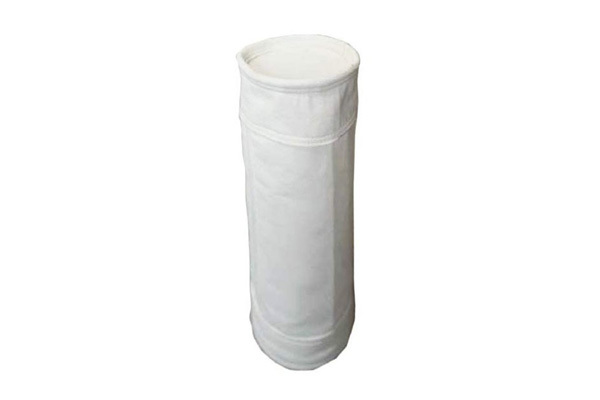
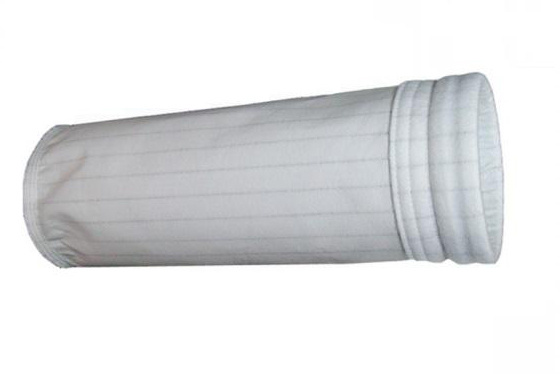
Bag dust filters operate on a simple yet effective principle. They use a fabric material, usually made of synthetic fibers, to capture airborne particulate matter. When air containing dust and contaminants passes through the filter, the fabric traps the particles while allowing clean air to flow through. Different types of bag filters can handle various sizes and types of particles, ensuring comprehensive filtration for different industrial applications.
3.1 Filtration Mechanisms
Bag dust filters utilize several mechanisms for particle capture:
- **Interception**: Particles come into contact with the filter fibers and adhere to them.
- **Inertia**: Larger particles cannot follow the airstream and collide with the filter media.
- **Diffusion**: Smaller particles, influenced by Brownian motion, collide with the fibers and are captured.
These mechanisms work together to provide effective filtration, significantly reducing airborne contaminants.
4. Benefits of Bag Dust Filters
Investing in bag dust filters comes with a myriad of benefits, including:
4.1 Improved Air Quality
By removing harmful particulates from the air, bag dust filters significantly enhance indoor air quality, which is essential for worker health.
4.2 Increased Equipment Lifespan
Dust and particulates can cause wear and tear on machinery. By minimizing exposure to these contaminants, bag filters help extend the lifespan of industrial equipment.
4.3 Cost-Effectiveness
Although the initial investment in bag dust filters may be substantial, the long-term savings from reduced health costs, improved productivity, and decreased equipment maintenance make them a cost-effective solution.
4.4 Compliance with Regulations
Industries are subject to numerous air quality regulations. Bag dust filters can help facilities meet these legal requirements, avoiding potential fines and shutdowns.
5. Types of Bag Dust Filters
Different industries require different types of bag dust filters based on their specific needs. The common types include:
5.1 Pulse Jet Filters
These are widely used in applications where a high dust load is present. They use a burst of compressed air to clean the filter bags, maintaining their efficiency.
5.2 Shaker Filters
Shaker filters use mechanical action to dislodge accumulated dust, making them suitable for applications with lower dust loads.
5.3 Cartridge Filters
These compact filters are ideal for limited spaces and are available in various sizes to suit different applications.
6. Maintenance and Care for Bag Dust Filters
Proper maintenance is critical for ensuring the longevity and efficiency of bag dust filters. Regular inspections, cleaning, and timely replacements of filter bags are essential practices.
6.1 Scheduled Maintenance
Establishing a maintenance schedule helps identify issues early on, preventing costly downtimes and ensuring optimal performance.
6.2 Filter Bag Replacement
Over time, filter bags accumulate dust and may become less effective. Regular replacement is necessary to maintain air quality and system efficiency.
7. Regulatory Compliance and Air Quality Standards
Industries must adhere to various air quality regulations set forth by environmental agencies. Bag dust filters assist in complying with these regulations by efficiently capturing particulates that may otherwise be released into the atmosphere.
7.1 Understanding EPA Regulations
The Environmental Protection Agency (EPA) has set standards for particulate emissions. Bag dust filters play a critical role in helping industries meet these standards, thus avoiding fines and promoting a cleaner environment.
8. Case Studies: Success Stories Using Bag Dust Filters
Examining real-world examples of industries that have successfully implemented bag dust filters can provide valuable insights into their effectiveness.
8.1 Manufacturing Facility Example
A manufacturing facility that installed pulse jet bag filters observed a 50% reduction in airborne particulates. This improvement led to fewer respiratory issues among workers and enhanced productivity.
8.2 Food Processing Plant Example
In a food processing plant, the deployment of cartridge filters resulted in significant compliance with FDA regulations, ensuring product safety and enhancing the overall work environment.
9. Frequently Asked Questions (FAQs)
9.1 What is a bag dust filter?
A bag dust filter is a filtration system designed to capture dust and particulate matter from the air, thereby improving indoor air quality in industrial settings.
9.2 How often should bag filters be replaced?
The replacement frequency depends on factors such as dust load, filter type, and operational conditions, but regular inspections should be conducted to determine the optimal replacement schedule.
9.3 Are bag dust filters environmentally friendly?
Yes, by reducing airborne pollutants, bag dust filters contribute to cleaner air and a healthier environment in industrial settings.
9.4 Can bag dust filters reduce energy costs?
By maintaining optimal air quality and equipment efficiency, bag dust filters can lead to lower energy consumption and reduced operational costs.
9.5 What industries benefit from bag dust filters?
Industries such as manufacturing, pharmaceuticals, food processing, and construction can benefit significantly from implementing bag dust filters.
10. Conclusion
Bag dust filters are not only essential for maintaining air quality in industrial environments but also play a significant role in enhancing worker safety and compliance with regulations. By investing in quality filtration systems, industries can ensure a healthier workplace, reduce equipment wear, and achieve long-term cost savings. As air quality continues to be a critical factor in operational success, choosing the right bag dust filter can make all the difference.
latest News


CONTACT
Add:No. 8 Xinyuan Road, Shizhuang Industrial Park, Funing, Jiangsu Province
Tel:+8613862107418 / +8618913761835
WhatsApp:+8613862107418/+8618913761835


