

NEWS & BLOG
Understanding Bag Filtration: A Comprehensive Guide to Industrial Air and Liquid Purification
Release time:
2025-04-15
Bag filtration is a crucial technology employed in various industrial processes to ensure the purification of air and liquids. It involves the use of filter bags that capture particulates, contaminants, and impurities, making it an essential component in maintaining operational efficiency and compliance with environmental standards. Understanding the principles and applications of bag filtration c
Bag filtration is a crucial technology employed in various industrial processes to ensure the purification of air and liquids. It involves the use of filter bags that capture particulates, contaminants, and impurities, making it an essential component in maintaining operational efficiency and compliance with environmental standards. Understanding the principles and applications of bag filtration can greatly enhance the effectiveness of industrial filtration systems.
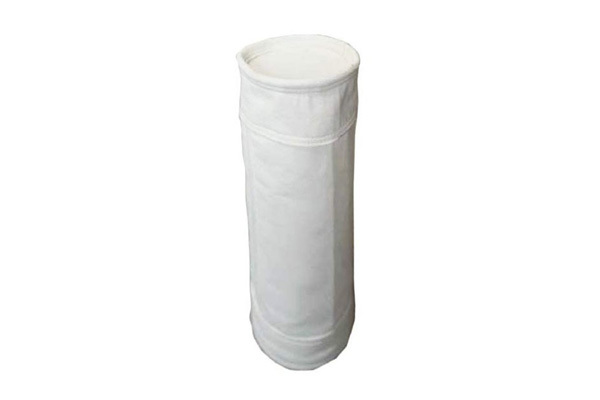
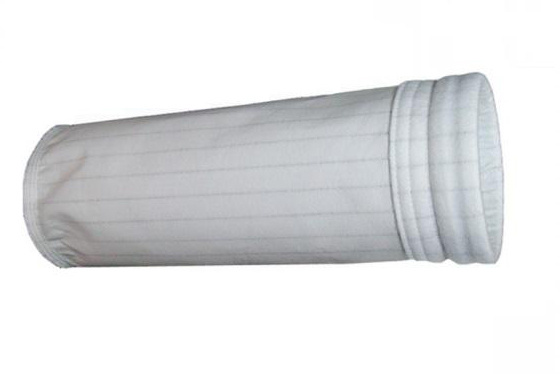
At its core, bag filtration operates through a straightforward mechanism. Air or liquid is directed through a filter bag, which is designed to trap solid particles as well as liquid contaminants. These filter bags are typically made from a range of materials, including synthetic fibers, woven fabrics, or non-woven materials, each chosen based on the specific requirements of the application, such as particle size, chemical compatibility, and flow rate.
One of the primary advantages of bag filtration is its versatility. It can be utilized in various industrial sectors, including pharmaceuticals, food and beverage, chemical processing, and wastewater treatment. In each of these sectors, maintaining product quality and safety is paramount. For instance, in the food and beverage industry, bag filtration is employed to prevent contaminants from compromising product integrity, while in pharmaceutical manufacturing, it ensures that the air and liquids used in production are free from harmful particles.
In addition to ensuring product quality, bag filtration systems contribute to operational efficiency. By effectively removing particulates and impurities from the air or liquid streams, businesses can minimize equipment wear and tear, reduce maintenance costs, and enhance overall system performance. This is particularly important in environments where air quality is critical, such as in clean rooms or controlled manufacturing spaces.
Moreover, the maintenance of bag filtration systems is generally straightforward. Filter bags are designed to be replaced periodically, depending on the operational conditions and the level of contaminants captured. Regular monitoring and timely replacement of filter bags can significantly extend the lifespan of the filtration system, ensuring that it operates at peak efficiency.
While bag filtration is highly effective, it is essential for industries to select the appropriate type of filter bags based on their specific needs. Factors such as the nature of the contaminants, flow rates, and environmental conditions all play a vital role in determining the most suitable filter material and design. By doing so, businesses can optimize their filtration processes and achieve better results.
In conclusion, bag filtration is an integral component of industrial purification systems, providing numerous benefits for air and liquid quality. By understanding its operational principles and applications, industries can enhance their filtration practices, leading to improved product quality, operational efficiency, and compliance with regulatory standards. Whether for air or liquid purification, bag filtration proves to be an invaluable tool in maintaining a clean and safe working environment.
latest News


CONTACT
Add:No. 8 Xinyuan Road, Shizhuang Industrial Park, Funing, Jiangsu Province
Tel:+8613862107418 / +8618913761835
WhatsApp:+8613862107418/+8618913761835


