

NEWS & BLOG
Understanding the Importance and Functionality of Dust Collector Filter Bags
Release time:
2025-04-07
In industrial environments, maintaining air quality is crucial for both worker safety and equipment efficiency. Dust collector filter bags serve as a vital component in dust collection systems, designed to capture airborne particles generated during various manufacturing processes. Understanding the functionality and importance of these filter bags can help optimize their use and extend their long
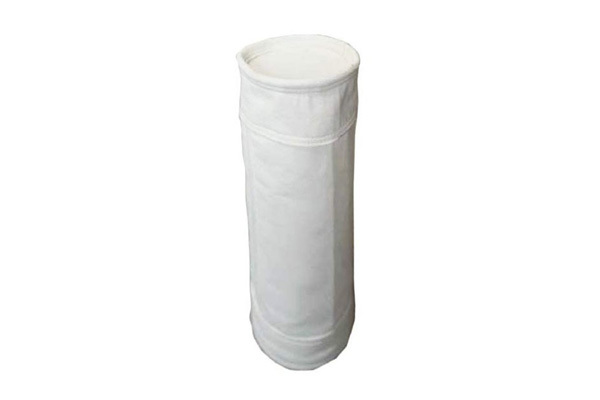
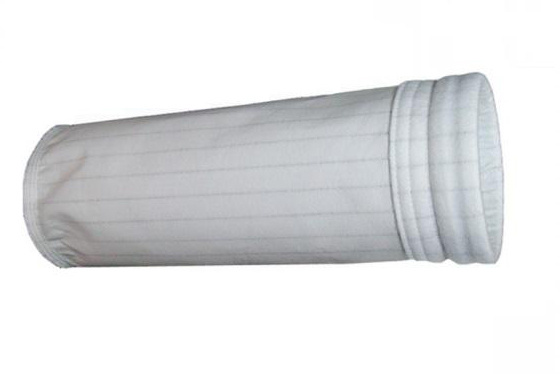
In industrial environments, maintaining air quality is crucial for both worker safety and equipment efficiency. Dust collector filter bags serve as a vital component in dust collection systems, designed to capture airborne particles generated during various manufacturing processes. Understanding the functionality and importance of these filter bags can help optimize their use and extend their longevity.
Dust collector filter bags come in various materials and configurations, each suited for specific filtration needs. Common materials include polyester, polypropylene, and fiberglass, chosen based on factors like temperature resistance, chemical compatibility, and particle size. Selecting the right material is essential for ensuring that the filter bags can withstand the operational demands of the environment. For instance, polyester bags are often used for general dust collection, while fiberglass bags may be preferred for high-temperature applications.
The efficiency of a dust collector filter bag is measured by its filtration efficiency and dust-holding capacity. Filtration efficiency refers to the ability of the bag to capture particles of varying sizes, which is influenced by several factors such as the fabric's weave and thickness. Dust-holding capacity measures how much dust the bag can hold before it requires cleaning or replacement. An optimal balance between these two factors is crucial for maintaining peak performance in dust collection systems.
Regular maintenance and monitoring are key to ensuring the effectiveness of dust collector filter bags. Over time, bags can become clogged with dust, which reduces airflow and increases pressure drop, ultimately leading to system inefficiency. Implementing a maintenance schedule that includes regular inspections, cleaning, and timely replacement can significantly enhance the lifespan of the filter bags. Cleaning methods vary, with options like pulse jet cleaning and shaker systems commonly used to dislodge accumulated dust without removing the bag from the system.
In addition to maintenance, proper installation and operation of the dust collection system are critical. Ensuring that the system is correctly sealed and that there are no leaks can prevent dust from escaping and reduce the workload on the filter bags. Moreover, understanding the specific dust characteristics (such as particle size and composition) can inform better choices in filter design and operation.
In conclusion, dust collector filter bags are indispensable for effective dust management in industrial applications. By selecting the appropriate material, maintaining the bags properly, and operating the dust collection system efficiently, companies can significantly improve air quality and protect both their workforce and equipment. Investing time and resources into understanding and optimizing the use of dust collector filter bags can lead to substantial long-term benefits in both productivity and safety.
latest News


CONTACT
Add:No. 8 Xinyuan Road, Shizhuang Industrial Park, Funing, Jiangsu Province
Tel:+8613862107418 / +8618913761835
WhatsApp:+8613862107418/+8618913761835


